
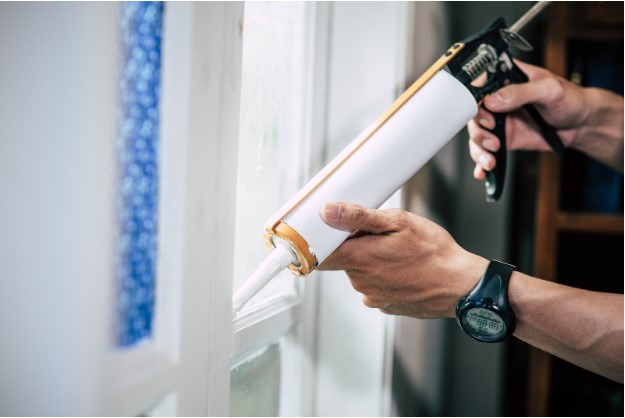

Door seals play a crucial role in maintaining the comfort and energy efficiency of your home. They help prevent drafts, reduce noise, and protect against moisture intrusion. However, over time, these seals can wear out or become damaged, necessitating effective door seal fixing.
Compression Seals
Compression seals are commonly used for wooden and timber doors. They work by compressing against the door frame when the door is closed, creating a tight seal that minimizes air leakage. Over time, these seals can become flattened or cracked, leading to ineffective sealing.
In such cases, door seal fixing typically involves replacing the old seal with a new one that can restore the needed compression. Regular inspections can help identify any wear early, ensuring that you maintain a comfortable environment within your home.
Bubble Gaskets
Bubble gaskets are typically found on uPVC doors and feature a rounded shape that creates a cushioned barrier against the elements. Although durable, they can degrade due to exposure to sunlight and temperature fluctuations.
If you notice drafts or water leaks around your bubble gasket, it’s essential to act quickly. Door seal fixing in this case involves removing the old gasket and replacing it with a high-quality, UV-resistant option. This will ensure that your doors remain energy-efficient and free from drafts.
Flipper Seals
Flipper seals, often used on sliding doors, have a flexible flap that conforms to the door frame when closed. This design provides effective insulation against weather elements. However, over time, the flipper portion can deteriorate, causing it to lose its sealing capability.
To address this, door seal fixing should include replacing the worn flipper seal with a new one. It’s also a good idea to regularly clean the tracks of sliding doors to prevent debris build-up that can impede the seal’s function.
Brush Seals
Brush seals are most frequently employed for external doors and garage doors. They consist of a brush-like material that fills the gap between the door and frame, effectively blocking drafts and dust particles.
If you notice increased drafts or dirt accumulation near your door, it might be time for door seal fixing. This typically involves inspecting the brushes for significant wear or damage and replacing them as necessary. Regular cleaning of brush seals can also extend their lifespan.
Magnetic Seals
Magnetic door seals are common in high-energy efficiency homes and are often used on fridge doors or some external doors. These seals use magnetic strips to create a tight closure. However, if the magnets weaken or pull away from the adhesive, it’s crucial to address these issues promptly.
Door seal fixing can involve reglueing the magnetic strips or replacing them entirely if they’re damaged. This type of repair can ensure that your door seals tightly, maintaining both energy efficiency and security.
Final Thoughts
In conclusion, understanding the different types of door seals and their specific repair needs is vital for maintaining an efficient and comfortable home. Regular inspections and timely door seal fixing can prevent minor issues from escalating into costly repairs.
Whether dealing with compression seals, bubble gaskets, flipper seals, brush seals, or magnetic seals, proactive maintenance ensures your doors perform optimally, providing comfort and protection from the elements.