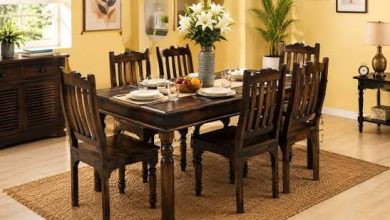
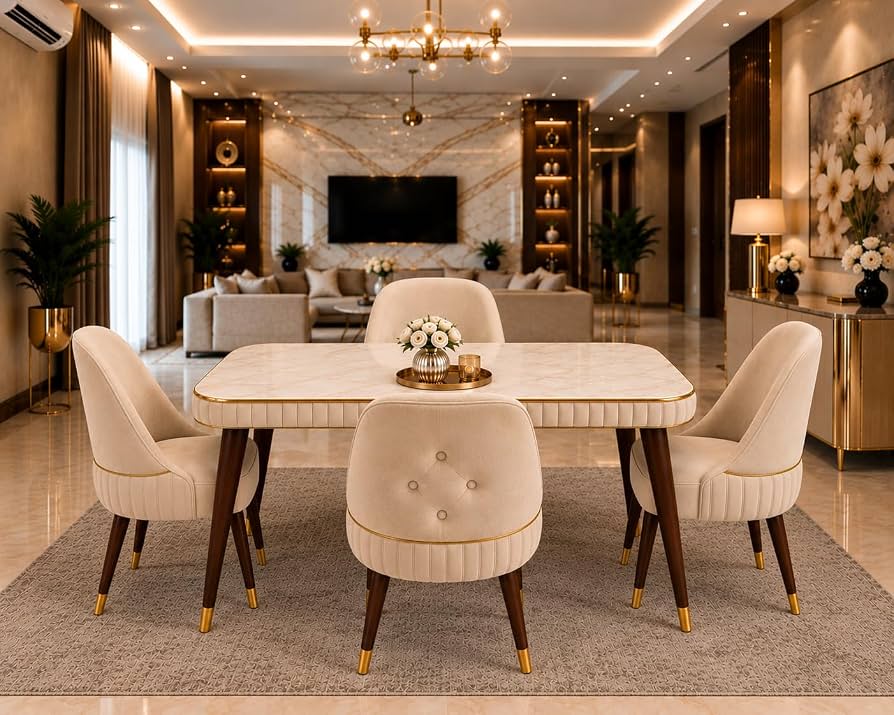

A dining area is more than a place to enjoy meals; it is a space where families connect, friends gather, and memorable conversations take place. Choosing the right dining table set can make this area more comfortable, attractive, and practical. Whether you live in a compact apartment or a spacious house, the right furniture helps create a welcoming environment while making everyday dining easier. From classic wooden designs to modern glass tables and contemporary marble finishes, there are many styles to suit different interiors and budgets.
Before making a purchase, consider the available space, number of family members, preferred materials, seating requirements, and overall home décor. A well-chosen dining arrangement should provide enough room for everyone to sit comfortably without making the room feel crowded. It should also be durable enough to handle daily use and easy to maintain. Understanding the available options can help you choose furniture that balances style, comfort, functionality, and long-term value.
Why Choosing the Right Dining Furniture Matters
Dining furniture plays an important role in the appearance and functionality of your home. The table often becomes the central feature of the dining room, influencing the placement of chairs, lighting, rugs, and decorative accessories. A thoughtfully selected design can make a small room appear organised and help a large dining area feel more inviting.
A suitable dining table set also improves everyday convenience. Families need enough space for serving dishes, glasses, plates, and other essentials without overcrowding the tabletop. Comfortable chairs encourage people to sit together for longer meals, conversations, and celebrations. For households that frequently entertain guests, additional seating can be especially useful.
The best option depends on your lifestyle rather than appearance alone. Families with young children may prefer sturdy surfaces that are easy to clean, while people who enjoy modern interiors might choose sleek designs with metal legs or glass tops. By evaluating practical needs alongside visual appeal, you can select furniture that remains useful and attractive for years.
Popular Types of Dining Table Designs
Dining tables are available in several shapes, sizes, and styles. Rectangular tables remain a popular choice because they provide generous seating and work well in long dining rooms. Square tables are suitable for smaller spaces and compact households, while round designs encourage conversation by allowing diners to face one another easily.
Oval tables combine some advantages of rectangular and round furniture. Their curved edges create a softer appearance, and they can help improve movement around the dining area. Extendable tables offer another practical solution, allowing homeowners to increase seating capacity when relatives or friends visit.
Modern furniture collections also include minimalist designs, traditional carved tables, industrial styles, and luxurious statement pieces. Each option creates a different atmosphere, so consider how the furniture will complement your existing interiors.
Popular choices include:
- Rectangular tables for larger families and spacious dining rooms.
- Round tables for intimate meals and smaller dining areas.
- Square tables for apartments and compact layouts.
- Extendable tables for occasional gatherings and celebrations.
- Counter-height tables for contemporary homes and informal dining spaces.
Selecting the appropriate shape helps improve the room’s appearance while ensuring that everyday movement remains comfortable.

Materials Used in Dining Tables
The material determines a table’s appearance, durability, maintenance requirements, and price. Solid wood is widely appreciated for its natural texture, strength, and timeless appeal. Teak, sheesham, oak, and other hardwoods are commonly used in furniture, although their availability and characteristics vary. Wooden furniture can complement traditional, rustic, and contemporary interiors depending on its finish and construction.
Engineered wood offers an alternative for shoppers seeking different finishes and price points. Its quality depends on the board type, thickness, surface treatment, and manufacturing standards. Glass-top tables create a lighter visual effect and can work well in modern homes, although they require regular cleaning to remove fingerprints and smudges.
Stone and marble-look finishes can provide a sophisticated appearance. However, genuine stone may require special care, while some imitation surfaces offer easier maintenance. Metal frames are often paired with wood or glass to create industrial and modern designs.
When comparing materials, look beyond the surface finish. Examine the frame, joints, leg stability, tabletop thickness, and protective coating. Strong construction and suitable maintenance practices can make a significant difference to the furniture’s lifespan.
Dining Table Set Sizes and Seating Capacity
Choosing the correct size is essential for comfortable dining. A table should accommodate the required number of people while leaving sufficient room for chairs and movement. Buying furniture that is too large may obstruct walkways, while a small table can make family meals and gatherings inconvenient.
A four-seater table is generally suitable for couples, small families, or compact apartments. Six-seater designs provide additional space for medium-sized households, and eight-seater tables are useful for larger families or people who regularly entertain guests. Actual seating capacity depends on the table’s dimensions, chair width, and leg placement.
The following table provides general guidance for choosing a suitable design.
| Table size | Typical use | Recommended setting |
|---|---|---|
| 2-seater | Couples or quick meals | Studio apartments |
| 4-seater | Small households | Compact dining rooms |
| 6-seater | Medium-sized families | Standard dining areas |
| 8-seater | Larger families | Spacious dining rooms |
| Extendable table | Flexible seating needs | Homes hosting regular guests |
These categories are general guidelines rather than fixed measurements. Before purchasing, measure your dining area and check the manufacturer’s dimensions. Ideally, allow approximately 90 cm of clearance around the table where possible so people can pull out chairs and move comfortably.
How to Match Dining Furniture With Your Home Décor
Your dining furniture should complement the colours, textures, and design elements already present in your home. In a traditional interior, rich wooden finishes, upholstered chairs, and detailed craftsmanship can create a warm atmosphere. Modern interiors often suit clean lines, neutral colours, simple silhouettes, and understated hardware.
For smaller rooms, lighter finishes and visually open designs can help create a sense of space. Glass tops, slim legs, and chairs with compact profiles may make the dining area appear less crowded. In larger rooms, a substantial wooden table or a distinctive stone-look design can create a strong focal point.
Colour coordination is equally important. Natural wood pairs well with beige, cream, white, and earthy tones. Black or charcoal furniture can provide contrast in contemporary spaces, while softer shades can create a relaxed and welcoming mood.
Consider the following decorating tips:
- Match the table finish with existing furniture or flooring where practical.
- Choose chair upholstery that complements curtains, rugs, or wall colours.
- Use a pendant light to define the dining area.
- Avoid oversized accessories that reduce usable tabletop space.
- Keep the overall design consistent with the rest of your home.
A coordinated arrangement creates a balanced look without requiring every piece of furniture to match exactly.
Comfort and Functionality for Everyday Use
Appearance matters, but comfort should remain a priority when selecting dining furniture. Chairs should provide adequate support, an appropriate seat height, and enough room for people to sit without feeling restricted. If possible, test the chairs before purchasing and check whether they fit comfortably beneath the table.
The distance between the seat and tabletop affects the dining experience. Most standard dining chairs are designed to work with conventional dining tables, but unusual table heights may require specially matched seating. Armchairs can offer extra comfort, although their dimensions may reduce the number of chairs that fit around the table.
Functionality also includes storage and flexibility. Some designs feature drawers, benches, or extendable sections that help accommodate different household needs. Benches can be useful in informal dining spaces because they may be tucked beneath the table when not in use.
For households with children, rounded corners, stable construction, and easy-to-clean surfaces may be especially valuable. Families who use the table for homework or remote work should also consider tabletop durability and available surface area.

Dining Table Set Price and Budget Planning
Furniture prices vary according to materials, dimensions, craftsmanship, brand, finish, and the number of chairs included. A compact engineered-wood model may be more affordable than a large solid-wood design, while premium stone finishes and detailed craftsmanship can increase the overall cost.
When setting a budget, compare the complete package rather than focusing only on the advertised table price. Check whether chairs are included, whether delivery and installation cost extra, and whether the seller provides a warranty. Ask about the materials used in the tabletop, frame, and chair structure.
It is also worth considering long-term value. A lower-priced product may be suitable for occasional use, while a household that eats together every day may benefit from stronger construction and replaceable components. Spending more is not automatically a guarantee of better quality, so compare specifications carefully.
Before buying, make a checklist of essential features, preferred materials, seating capacity, and maximum budget. This approach helps narrow down the choices and prevents unnecessary spending on features that do not suit your lifestyle.
Maintenance Tips for Long-Lasting Dining Furniture
Regular care helps preserve the appearance and functionality of dining furniture. Different materials require different cleaning methods, so always follow the manufacturer’s care instructions. For most surfaces, removing crumbs promptly and wiping spills with a suitable soft cloth can prevent stains and everyday wear.
Wooden tables should be protected from prolonged moisture, excessive heat, and direct sunlight where possible. Use coasters, placemats, and suitable cleaning products to reduce marks and protect the finish. Avoid harsh chemicals unless the manufacturer specifically recommends them.
Glass surfaces benefit from appropriate glass cleaners and soft cloths. Stone and marble surfaces may require material-specific products, especially when exposed to acidic foods or beverages. Metal frames should be checked periodically for loose screws, corrosion, or signs of damage.
Useful maintenance practices include:
- Clean spills as soon as possible.
- Use placemats to reduce scratches and heat marks.
- Tighten loose fittings when necessary.
- Avoid dragging heavy furniture across delicate flooring.
- Check chair joints and table legs periodically.
- Follow the recommended care instructions for each material.
Simple maintenance habits can keep furniture looking attractive while helping prevent avoidable damage.
Common Mistakes to Avoid When Buying a Dining Table
One common mistake is choosing furniture based entirely on appearance. A beautiful table may not suit your room if it blocks walkways or leaves insufficient space for chairs. Always measure the room and compare those measurements with the product specifications before placing an order.
Another mistake is ignoring seating comfort. Chairs that look stylish may be uncomfortable during longer meals, while bulky armrests can reduce the number of seats available. Consider how often the table will be used and who will sit around it.
Buyers should also avoid overlooking construction details. Check whether the table feels stable, whether the joints are secure, and whether the finish is appropriate for your household. Read product descriptions carefully to understand whether the material is solid wood, veneer, laminate, or another surface.
Finally, do not forget delivery access. Large furniture may not fit through narrow doors, staircases, or lifts. Confirm package dimensions and delivery requirements before finalising your purchase. Careful planning helps prevent unnecessary costs and makes the buying process smoother.
Conclusion
Choosing the right dining furniture involves balancing design, comfort, size, material quality, and budget. The ideal option should fit your available space, support your everyday routine, and complement the overall appearance of your home. Whether you prefer a compact four-seater, a spacious family table, or an extendable design for entertaining guests, careful comparison can help you find a practical solution.
A well-selected dining table set can become an important part of family life, providing a comfortable place for everyday meals, celebrations, and conversations. Focus on durable construction, suitable seating, easy maintenance, and dimensions that work with your room. By prioritising both appearance and functionality, you can invest in dining furniture that serves your household well and remains attractive for years.