
Outdoor furniture creates a comfortable and inviting space for relaxing, entertaining guests, and enjoying fresh air. Whether you have a small balcony, a spacious garden, or a beautifully designed patio, keeping your furniture in good condition is essential. Exposure to sunlight, rain, wind, dust, and changing temperatures can gradually damage outdoor tables, chairs, sofas, and loungers. Protective coverings offer a practical solution by helping preserve the appearance, comfort, and durability of these valuable items.
Choosing suitable patio furniture covers can make outdoor maintenance easier while reducing the need for frequent cleaning and repairs. Available in different sizes, materials, colours, and designs, these covers can protect furniture during everyday use, overnight storage, and seasonal weather changes. Understanding the available options helps homeowners select products that match their furniture, climate, and storage requirements. With the right covering and proper maintenance, you can keep your outdoor living area looking attractive and ready to use throughout the year.
1. What Are Patio Furniture Covers?
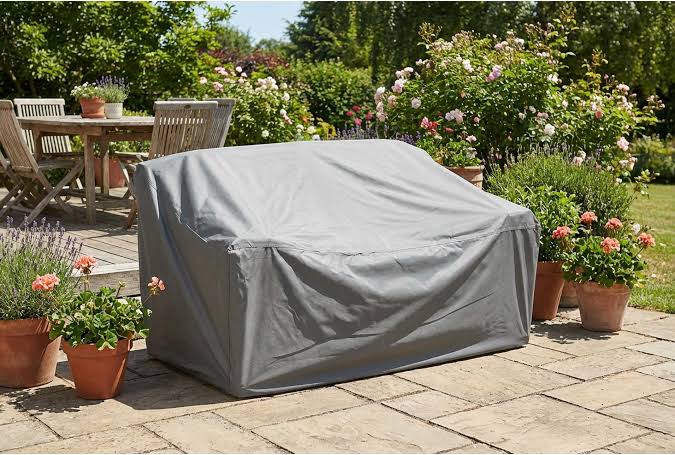
Patio furniture covers are protective fabric or synthetic coverings designed to shield outdoor furniture from environmental elements. They are commonly manufactured for individual chairs, dining tables, benches, sofas, sectionals, loungers, and complete outdoor seating sets. Depending on the material and construction, a cover may provide protection against rain, dust, bird droppings, falling leaves, sunlight, and everyday dirt.
These coverings are particularly useful for furniture that remains outdoors throughout the year. Instead of moving heavy furniture into a garage or storage room whenever the weather changes, homeowners can cover it when it is not in use. Many designs include adjustable straps, elastic hems, buckles, or drawstrings to help keep the cover securely positioned.
The best option depends on the furniture’s dimensions, the local climate, and the level of protection required. A lightweight cover may suit a sheltered balcony, while a heavier, weather-resistant design may be more appropriate for an exposed garden. Selecting the right product helps protect furniture without making routine outdoor maintenance unnecessarily complicated.
2. Why Outdoor Furniture Needs Protection
Outdoor furniture is built to withstand outdoor conditions, but constant exposure can still affect its lifespan. Strong sunlight may fade fabrics and finishes, while rain and humidity can encourage corrosion, mould, or mildew when moisture remains trapped. Wind can carry dust and debris onto cushions, and fallen leaves may leave stains on tabletops or seating surfaces.
Protective coverings help minimise direct exposure and keep furniture cleaner between uses. They are especially valuable for wooden furniture, metal frames, outdoor cushions, and upholstered seating that can be difficult or expensive to replace. Even furniture marketed as weather-resistant benefits from appropriate care.
Using covers can also reduce preparation time before gatherings. Rather than wiping every chair and cleaning an entire table, homeowners can remove the coverings and make a few quick checks before guests arrive. However, covers should not replace regular cleaning or proper storage during severe weather. Furniture should be dry before being covered, and the covering should allow adequate ventilation to reduce condensation.
3. Different Types of Patio Furniture Covers
Outdoor coverings come in several designs to suit different furniture shapes and protection requirements. Individual chair covers are useful for dining sets, while larger covers can protect sofas, benches, and sectional seating. Table covers are available in round, square, and rectangular shapes, often with additional length to protect the legs.
Full-set covers are convenient when several furniture pieces are arranged together. They can reduce the number of separate covers needed, although homeowners must check whether the design fits the complete arrangement properly. Specialised covers are also available for reclining chairs, loungers, outdoor cooking areas, and furniture with attached cushions.
When choosing patio furniture covers, consider both the furniture’s shape and how frequently it is used. A fitted cover may provide a neater appearance, while a slightly relaxed design can be easier to put on and remove. Secure fastening features are particularly important in windy locations. The covering should offer enough space for the furniture without dragging excessively on the ground or collecting water on its surface.

4. Popular Materials and Their Benefits
The material determines how well a cover handles moisture, sunlight, abrasion, and everyday use. Polyester is widely used because it is relatively lightweight, easy to handle, and available in numerous sizes. Polyester covers may include protective coatings that improve water resistance and UV performance.
Oxford fabric is another common option, valued for its woven construction and practical durability. Depending on its thickness and coating, it may provide a suitable balance between strength and flexibility. Vinyl and other coated materials can offer strong resistance to water, although their breathability varies considerably. Canvas-style fabrics may provide a substantial feel, but their performance depends on the fibres, treatment, and construction.
No material is perfect for every climate. A completely waterproof surface may resist rain effectively but trap condensation if ventilation is inadequate. Breathable fabrics can help moisture escape, yet they still need appropriate water resistance for exposed locations. Always review the manufacturer’s specifications rather than relying on material names alone.
| Material | Main advantage | Important consideration |
|---|---|---|
| Polyester | Lightweight and easy to handle | Check UV protection and coating |
| Oxford fabric | Practical strength and durability | Quality varies by thickness and finish |
| Vinyl-coated fabric | Strong water resistance | Breathability may be limited |
| Canvas-style fabric | Substantial construction | Confirm weatherproof treatment |
| Breathable technical fabric | Helps reduce trapped moisture | Check suitability for heavy rain |
5. How to Choose the Right Size
Correct sizing is one of the most important factors when buying furniture protection. A cover that is too small may leave the legs, cushions, or edges exposed. One that is excessively large may flap in the wind, collect debris, or create folds where water can accumulate.
Measure the furniture before making a purchase. For tables, record the length, width, and height. For chairs, consider the overall height, armrests, and widest points. Sofas and sectional seating require careful measurement because their shapes may include projecting corners or separate sections.
Compare your measurements with the manufacturer’s sizing guide and account for any recommended clearance. The goal is to achieve a secure fit without placing unnecessary pressure on the furniture. For irregular arrangements, individual covers may work better than one oversized covering. If the furniture includes thick cushions that remain outside, measure the arrangement in the configuration you intend to cover.
A suitable fit improves protection, simplifies handling, and helps the cover remain in place during ordinary weather conditions.
6. Important Features to Look For
The best cover combines reliable materials with practical design features. Water resistance is important for exposed patios, but it should be accompanied by suitable ventilation. Air vents can help reduce condensation, especially in humid conditions or during periods of temperature fluctuation.
Fastening systems also deserve attention. Buckles, adjustable straps, elastic hems, and drawstrings can help prevent the covering from slipping or blowing away. Reinforced seams may improve durability, while handles can make removal and installation easier.
Consider these useful features when comparing products:
-
UV resistance: Helps reduce damage caused by prolonged sunlight.
-
Water-resistant construction: Limits moisture reaching furniture surfaces.
-
Ventilation openings: Help reduce trapped humidity and condensation.
-
Secure fasteners: Keep covers better positioned during windy conditions.
-
Reinforced seams: Can improve resistance to everyday wear.
-
Easy-clean surfaces: Simplify routine maintenance.
-
Suitable dimensions: Provide coverage without excessive loose fabric.
Prioritise the features that match your environment. A covered balcony may require less weather protection than an open garden exposed to strong winds and heavy rainfall.
7. Matching Covers With Different Furniture Materials
Different furniture materials have different maintenance needs. Wooden furniture may be vulnerable to moisture, cracking, or fading, depending on the wood species and protective finish. A properly fitted cover can reduce exposure, but the wood should be dry before covering to prevent moisture from becoming trapped.
Metal furniture often benefits from protection against persistent rain and airborne dirt. Although aluminium generally resists corrosion better than untreated steel, joints, screws, and damaged finishes may still require attention. Wrought iron and steel furniture should be inspected regularly for scratches or rust.
Rattan-style furniture, including synthetic wicker, can accumulate dirt between its woven sections. A cover helps reduce cleaning requirements and protects cushions from rain. Outdoor fabric seating also benefits from protection against sunlight and dust, particularly when cushions are difficult to remove.
Regardless of the furniture material, check the manufacturer’s care recommendations. A cover is one part of a broader maintenance routine that should include cleaning, drying, inspection, and occasional treatment where appropriate.
8. Seasonal Care and Storage Tips
Using protective coverings throughout the year can help maintain outdoor furniture, but seasonal care remains essential. During rainy months, inspect covers regularly to ensure that water is draining properly and that the fabric has not shifted. After storms, remove accumulated leaves and debris, check fasteners, and examine the furniture for signs of moisture.
In summer, UV protection becomes particularly important. If your patio receives intense direct sunlight, consider combining a suitable cover with a shaded location. During winter, clean and dry cushions before storing them indoors whenever possible. Furniture that is not designed for freezing conditions may also need additional protection or sheltered storage.
Follow these practical maintenance steps:
-
Clean furniture before covering it.
-
Allow all surfaces and cushions to dry completely.
-
Secure straps and fasteners without overtightening them.
-
Inspect the covering periodically for tears or worn seams.
-
Remove standing water and accumulated debris promptly.
-
Wash the cover according to its care instructions.
-
Store the covering in a clean, dry place when not in use.
These simple habits help preserve the covering itself while reducing the risk of damage to the furniture underneath.
9. Common Mistakes to Avoid
One common mistake is assuming that every outdoor cover is completely waterproof. Some products are water-resistant rather than fully waterproof, and performance can vary depending on seams, coatings, and exposure. Reading product specifications is more reliable than judging protection by appearance.
Another mistake is covering damp furniture. Trapped moisture can contribute to mould, mildew, unpleasant smells, and deterioration of certain materials. Covers should also be secured properly because loose fabric can move in strong winds and potentially scratch furniture surfaces.
Avoid placing a cover directly over furniture with sharp edges that could puncture the fabric. Where necessary, reposition the furniture or use suitable protective padding. Do not use a cover as a substitute for securing furniture during severe storms, and never assume that a covering alone makes lightweight furniture safe in high winds.
Finally, avoid choosing a product based entirely on price. A cheaper cover may be adequate for occasional use in a sheltered space, but exposed furniture may require stronger fabric, better seams, and more reliable fastening systems.
10. Cost, Value, and Long-Term Benefits
The price of an outdoor furniture cover depends on its dimensions, fabric quality, construction, brand, and specialised features. Small covers for individual chairs generally require less material than large sectional sofa or dining-set coverings. Premium options may cost more because they include reinforced seams, UV-resistant coatings, adjustable fastening systems, or advanced breathable fabrics.
When evaluating value, consider more than the initial purchase price. A durable covering can reduce cleaning time, help preserve cushions, and minimise exposure-related wear. Replacing a poorly fitting cover several times may also cost more than buying a suitable product initially.
| Purchase factor | Why it matters |
|---|---|
| Size | Determines coverage and fit |
| Fabric quality | Influences durability and handling |
| Weather resistance | Helps protect against local conditions |
| Ventilation | Can reduce condensation risks |
| Fastening system | Helps keep the cover secure |
| Warranty and care guidance | Clarifies maintenance and product support |
Compare products based on your actual requirements rather than choosing the most expensive option automatically. The right balance of protection, fit, and durability usually provides the best long-term value.
Conclusion
Protecting outdoor furniture is an important part of maintaining a comfortable and attractive patio. The right covering can help limit exposure to rain, sunlight, dust, and everyday debris while making cleaning and seasonal maintenance easier. Material quality, accurate measurements, ventilation, and secure fastening features all influence how effectively a cover performs.
When comparing patio furniture covers, consider your furniture type, local weather, available storage, and frequency of outdoor use. Clean and dry furniture before covering it, inspect the fabric regularly, and follow the manufacturer’s care instructions. These straightforward practices can help extend the useful life of outdoor furniture and preserve the appearance of your patio.
By choosing a well-fitted, durable product and maintaining it correctly, you can create an outdoor space that remains welcoming, organised, and ready to enjoy in different seasons.