
When Asbestos Was Commonly Used in Construction
Asbestos was a popular building material for decades, primarily from the early 1900s through the late 1980s. Its peak usage occurred between the 1950s and 1970s. This mineral was valued for its strength, heat resistance, and insulating properties. Because of these qualities, it was mixed into a wide array of construction products. The U.S. Environmental Protection Agency (EPA) began placing restrictions on its use starting in 1973, with a final ban on the import and manufacture of most asbestos-containing products finalized in March 2024. If your home was built or last significantly updated before the late 1980s, it’s wise to assume that asbestos might be present in some materials. Homes built before 1980 often contain these legacy materials.
Why Asbestos Poses a Risk During Renovations
The danger of asbestos isn’t typically from the material itself when it’s in good condition and left undisturbed. The real risk emerges when these materials are damaged or disturbed, which commonly happens during home renovation projects. Activities like drilling into walls, removing old flooring, or scraping textured ceilings can release microscopic asbestos fibers into the air. Once airborne, these fibers can be easily inhaled. Disturbing asbestos during renovations is a primary way homeowners can be exposed. Even if you don’t see obvious damage, any work that breaks apart these materials can create an exposure hazard.
The Health Implications of Asbestos Exposure
When asbestos fibers are inhaled, they can become lodged in the lungs and other tissues. Over time, this can lead to serious health problems. There is no known safe level of asbestos exposure. Prolonged or repeated exposure significantly increases the risk of developing asbestos-related diseases. These conditions often have a long latency period, meaning symptoms may not appear for 20 to 60 years after exposure. Some of the most serious health risks include:
- Mesothelioma: An aggressive cancer that affects the lining of the lungs, abdomen, or heart.
- Asbestosis: A chronic lung disease that causes scarring and difficulty breathing.
- Lung Cancer: Increased risk, especially for individuals who have also smoked.
Given these severe health consequences, it is vital to approach any suspected asbestos-containing materials with extreme caution. Identifying asbestos properly is the first step in protecting your health.
Identifying Potential Asbestos Locations
When planning renovations in older homes, understanding where asbestos might be hiding is a key step. While it’s nearly impossible to identify asbestos just by looking at it, certain materials and locations are more likely to contain this hazardous substance, especially in homes built before the 1980s. Recognizing these potential sources can help you avoid disturbing them and releasing dangerous fibers.
Common Building Materials Containing Asbestos
Asbestos was widely used in construction for its insulating and fire-resistant properties. It was often mixed into various building products, making it difficult to spot without professional testing. Some common materials that may contain asbestos include:
- Textured paints and coatings: Often found on ceilings and walls, these can have a rough or sparkly appearance.
- Vinyl and asphalt flooring: This includes floor tiles (especially 9″x9″ tiles) and the black mastic adhesive used to install them.
- Insulation: Materials used around pipes, boilers, furnaces, and in attics (like vermiculite) are frequent culprits.
- Cement products: Asbestos cement siding, roofing shingles, and even cement pipes can contain asbestos.
- Drywall and joint compounds: Materials used for patching or finishing drywall may also contain asbestos.
Visual Clues for Suspected Asbestos
While visual inspection alone cannot confirm asbestos, certain characteristics can raise suspicion. For instance, popcorn ceilings, with their bumpy texture, or older vinyl floor tiles are often indicators. Insulation that appears brittle or is fraying around pipes might also be a concern. If you notice materials that look like corrugated paper wrapping or a grey-white plaster-like coating on pipes, it’s worth investigating further. Remember, these are just clues, and professional testing is the only way to be sure. If you’re dealing with older flooring, the black mastic adhesive underneath vinyl tiles is also a common source of asbestos.
Areas Most Likely to Contain Asbestos
Certain areas within an older home are more prone to containing asbestos-containing materials (ACMs). These often include:
- Attics: Particularly if vermiculite insulation was used.
- Basements: Around furnaces, boilers, and hot water pipes.
- Bathrooms and Kitchens: Especially older vinyl flooring and its adhesive.
- Garages and Sheds: Often constructed with asbestos cement siding or roofing.
- Exterior: Older siding and roofing materials.
If you encounter materials in these areas that appear damaged or if your renovation plans involve disturbing them, it’s best to proceed with caution and consider professional assessment.
The Importance of Professional Asbestos Testing
While visual inspection can raise suspicions about potential asbestos-containing materials (ACMs) in older homes, it is not a reliable method for confirmation. The only way to definitively identify asbestos is through laboratory testing. Attempting to collect samples yourself can be risky, as disturbing suspect materials can release harmful fibers into the air. Professional sampling minimizes this risk and is conducted by trained individuals who understand how to handle these materials safely.
Limitations of Visual Identification
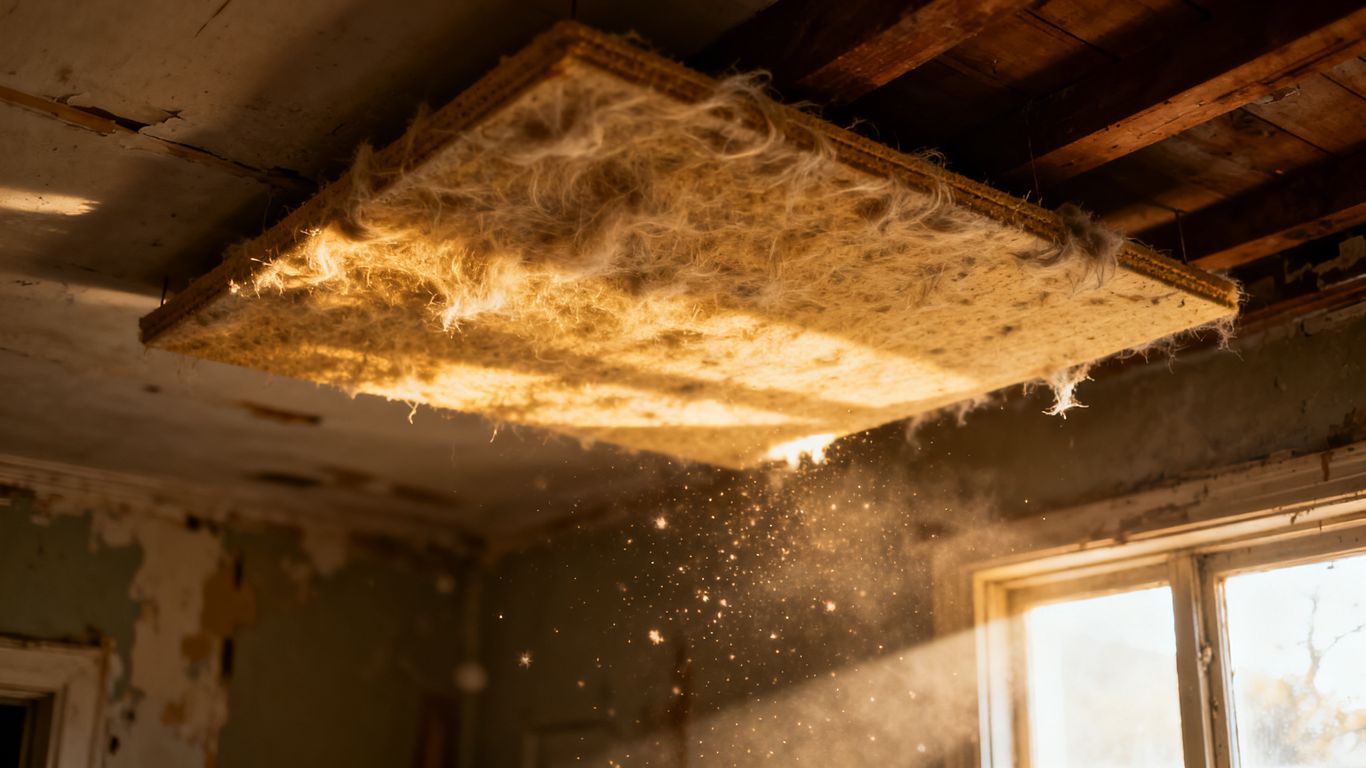
Asbestos fibers are microscopic and cannot be seen with the naked eye. While damaged asbestos materials might show frayed, fuzzy fibers, the presence of these fibers does not automatically mean asbestos is present, nor does their absence rule it out. Materials can contain asbestos even when they appear intact. Relying solely on visual cues can lead to a false sense of security or unnecessary alarm.
Why Home Inspectors May Not Test for Asbestos
Many standard home inspectors are not certified or equipped to conduct asbestos testing. Their primary role is to identify visible defects and general condition issues. Asbestos testing requires specialized training and equipment, and often falls outside the scope of a typical home inspection. It is important to understand that a general inspection report will likely not cover asbestos identification. If you are concerned about asbestos, you should specifically request this type of testing or hire a dedicated professional.
The Role of Certified Asbestos Inspectors
Certified asbestos inspectors are trained and licensed to identify, sample, and assess asbestos-containing materials. They follow strict protocols to collect samples without releasing fibers and send them to accredited laboratories for analysis. These professionals can provide a clear report on the presence and condition of asbestos in your home. If your home was built before the 1980s, it is highly recommended to have a professional assessment before any renovation work begins. This proactive step is vital for protecting your health and complying with regulations. You can find services that offer certified asbestos testing to ensure accurate results.
Steps to Take if Asbestos is Suspected
Discovering a material that might contain asbestos during a home renovation can be unsettling. The most important first step is to stop all work immediately in the affected area. Continuing to disturb the material, whether by cutting, sanding, or drilling, can release microscopic fibers into the air, posing a significant health risk. Avoid any activity that could further agitate the suspect substance.
Once work has stopped, it is vital to restrict access to the area. Close off the room or space to prevent anyone, including pets, from entering. You can post a simple “Do Not Enter” sign to alert others. This containment helps minimize potential exposure until a professional can assess the situation.
Next, you will need to contact a licensed asbestos inspector or abatement professional. These trained individuals have the knowledge and equipment to safely test materials for asbestos and determine the best course of action. They can conduct proper sampling, which is the only reliable way to confirm the presence of asbestos, as visual identification is not possible. You can often find accredited professionals through resources like the EPA’s website or your state’s environmental protection agency.
If testing confirms the presence of asbestos, the professional will recommend appropriate steps. This might involve encapsulation, where the material is sealed to prevent fiber release, or complete removal. Never attempt to remove asbestos yourself, as this requires specialized training and equipment to do safely. Professionals will also handle the proper disposal of asbestos-containing materials according to strict regulations, and often perform post-abatement air quality testing to confirm the area is safe.
Professional Asbestos Abatement and Safety
When asbestos-containing materials are identified, particularly if they are damaged or will be disturbed during renovations, professional intervention is necessary. Attempting to manage asbestos without proper training and equipment can lead to significant health risks due to the release of airborne fibers. Certified asbestos abatement professionals possess the knowledge and tools to handle these hazardous materials safely and effectively.
Establishing Containment Zones
Before any work begins, professionals will establish a containment zone. This is a critical step to prevent the spread of asbestos fibers to other parts of the home. The process typically involves:
- Sealing off the work area with heavy-duty plastic sheeting.
- Creating a negative air pressure environment within the containment zone using specialized ventilation systems. This ensures that air flows into the work area, not out, trapping any released fibers.
- Setting up a decontamination unit for workers to safely enter and exit the containment area.
Safe Disposal and Cleanup Procedures
Once asbestos-containing materials are removed, their disposal must follow strict regulations. Abatement professionals are trained in the proper handling and packaging of asbestos waste to prevent fiber release during transport. Cleanup is equally important. This involves:
- Using industrial-grade HEPA (High-Efficiency Particulate Air) vacuums to remove any residual dust and fibers from surfaces.
- Wet wiping all surfaces to capture any remaining microscopic particles.
- Thoroughly cleaning all equipment used during the abatement process.
Post-Removal Inspection and Air Quality Testing
After the abatement and cleanup are complete, a final inspection and air quality testing are performed. This is to confirm that the area is safe for re-occupancy. A certified inspector will visually examine the work area and collect air samples. These samples are sent to an accredited laboratory for analysis. Only when the air quality meets regulatory standards, indicating that asbestos fiber levels are below acceptable limits, will the containment be removed and the area cleared. This rigorous process helps to protect the health of homeowners and future occupants. For guidance on hiring qualified professionals, resources on asbestos abatement in Ohio can provide valuable insights.
Preventing Asbestos Exposure During Renovations
The Necessity of Professional Assessment Before Work
Before any renovation work begins on older homes, it is highly recommended to have a professional assessment for asbestos-containing materials. This proactive step is vital because disturbing asbestos during demolition, cutting, or sanding can release microscopic fibers into the air. These fibers, once inhaled, can lead to serious long-term health issues. Homeowners should never attempt to identify or test for asbestos themselves. Instead, engage a certified asbestos inspector. They possess the knowledge and equipment to safely sample suspect materials and determine the presence and extent of asbestos. This initial assessment helps in planning the renovation safely and avoiding accidental exposure. If you are planning a remodel, it is advisable to have your home inspected for asbestos-containing materials by a trained and accredited professional. This helps protect your family from potential exposures.
Safe Practices for Homeowners and DIYers
If asbestos is identified, or if you suspect its presence, strict protocols must be followed. The primary rule is to avoid disturbing any suspect materials. This means refraining from sawing, sanding, scraping, drilling, or cutting. If you encounter materials that might contain asbestos, do not attempt to clean them with a regular vacuum or broom, as this can spread fibers. Instead, seal off the area immediately by closing doors and windows and taping any gaps. If you haven’t already, contact licensed asbestos abatement professionals to handle the situation. Renovating older homes can expose dangerous asbestos, and it’s crucial to identify potential asbestos-containing materials before starting any remodeling projects. Hiring asbestos abatement professionals is highly recommended.
When to Leave Undisturbed Asbestos in Place
It is important to understand that asbestos-containing materials only pose a significant risk when they are damaged or disturbed, allowing fibers to become airborne. If asbestos materials are found to be in good condition and are not in an area likely to be disturbed during renovations, the safest approach is often to leave them in place. Professionals may recommend encapsulation, which involves sealing the material with a protective coating to prevent fiber release. This method can be a cost-effective alternative to removal, especially when the material is stable and unlikely to be disturbed in the future. However, if the material is damaged, in a high-traffic area, or must be removed for renovation, professional abatement is the only safe option. Always consult with certified professionals to determine the best course of action for your specific situation.