
Home improvements are often chosen for their appearance, but the best upgrades also make a home safer, healthier, more comfortable, and less expensive to run. Understanding a little of the science behind common household problems can help families decide what to fix first and avoid spending money on solutions that do not address the cause. From improving indoor air quality to reducing heat loss, evidence-based decisions can make renovation plans more practical and lasting.
Start by Identifying the Problem
Before buying materials or booking a contractor, work out what is happening in the home. A room that feels cold may have poor insulation, air leaks, an undersized heating system, or a combination of issues. Condensation might point to high indoor humidity, cold surfaces, or insufficient ventilation. Treating only the visible symptom can lead to repeat repairs.
Keep simple notes for a week or two. Record when a room feels uncomfortable, where drafts are noticeable, whether windows fog up, and when fans or heating systems are used. Check for obvious issues such as damaged seals, blocked vents, or plumbing leaks. For safety concerns, including suspected mold, faulty wiring, or persistent dampness, seek advice from a qualified professional rather than relying on a quick online fix.
Improve Indoor Air Quality Thoughtfully
Everyday activities such as cooking, showering, cleaning, and using fireplaces can affect the air inside a home. Good ventilation helps remove moisture and indoor pollutants, while effective extraction fans are especially useful in kitchens and bathrooms. Run them during the activity and long enough afterward to clear lingering steam or odors. Clean filters and vents according to the manufacturer’s instructions so that equipment can work as intended.
Air purifiers may help with certain airborne particles, but they are not a substitute for controlling the source of pollution or providing adequate ventilation. Similarly, scented products can mask odors without resolving their cause. If a persistent smell appears alongside damp patches or a musty room, investigate moisture entry and ventilation before relying on fragrance or a new appliance.
Make Energy Upgrades in the Right Order
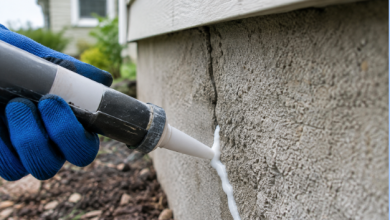
Heating and cooling costs can often be reduced by addressing the building itself before replacing equipment. Sealing gaps around doors, windows, and service openings can limit drafts. Insulation in roofs, walls, and floors can slow heat transfer, although the appropriate method depends on the home’s construction and local climate. Poorly planned insulation can create moisture problems, so older or unusual buildings may need a specialist assessment.
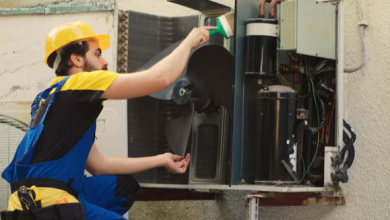
Once air leaks and insulation have been considered, check whether the heating system is properly maintained and controlled. Programmable thermostats and room-by-room controls can make it easier to heat spaces when they are needed. A new system may be worthwhile when an existing one is inefficient or unreliable, but choosing a replacement should take account of the home’s size, insulation, and typical use—not just the equipment’s advertised features.
Choose Materials for Health and Durability
Paint, flooring, adhesives, and furniture can all affect a room’s maintenance needs and indoor environment. When comparing products, read the specifications and follow guidance on ventilation, installation, and curing time. Low-emission options may be useful for frequently occupied rooms, but labels and claims should be understood in context. No single product choice replaces sensible ventilation during and after decorating.
Durability matters too. A floor in a busy hallway needs to withstand more wear than one in a seldom-used guest room. In kitchens and bathrooms, moisture resistance and ease of cleaning deserve particular attention. Selecting materials suited to the room can reduce premature replacement and help keep maintenance manageable for the whole family.
Use Reliable Sources When Researching Home Science
Home improvement advice online varies in quality. Look for explanations that identify the conditions behind a recommendation, distinguish general guidance from building-code requirements, and cite qualified sources where appropriate. Be cautious of absolute claims, especially when a product or method is presented as a universal solution. Advice for a dry, mild climate may not suit a damp region, and a modern house may behave differently from a historic one.
Science writers and organisations that want to make research accessible to homeowners can explore science guest posting sites as one route to reach readers interested in practical, evidence-based topics. Clear explanations of subjects such as ventilation, insulation, and household materials can help people ask better questions before starting a project.
Plan a Manageable Improvement Project
Once the likely causes are clear, rank projects by safety, urgency, cost, and expected benefit. A leaking pipe or damaged electrical outlet should take priority over cosmetic updates. For larger work, get written estimates that describe the materials, scope, schedule, and any preparation required. Ask how the proposed solution addresses the underlying issue and what maintenance it will need later.
Families and small businesses that need help turning technical notes into clear homeowner guidance may also consider low-cost content writing. Osdire’s guide to finding freelance writers discusses setting a clear scope and checking quality, useful steps when commissioning an explainer without losing sight of accuracy.
Conclusion
A science-minded approach does not require homeowners to become building experts. It means observing problems carefully, checking trustworthy guidance, and choosing improvements that fit the home rather than chasing a quick fix. By prioritizing indoor air, moisture control, energy performance, and durable materials, families can make more informed decisions and create living spaces that are comfortable and practical over time.