
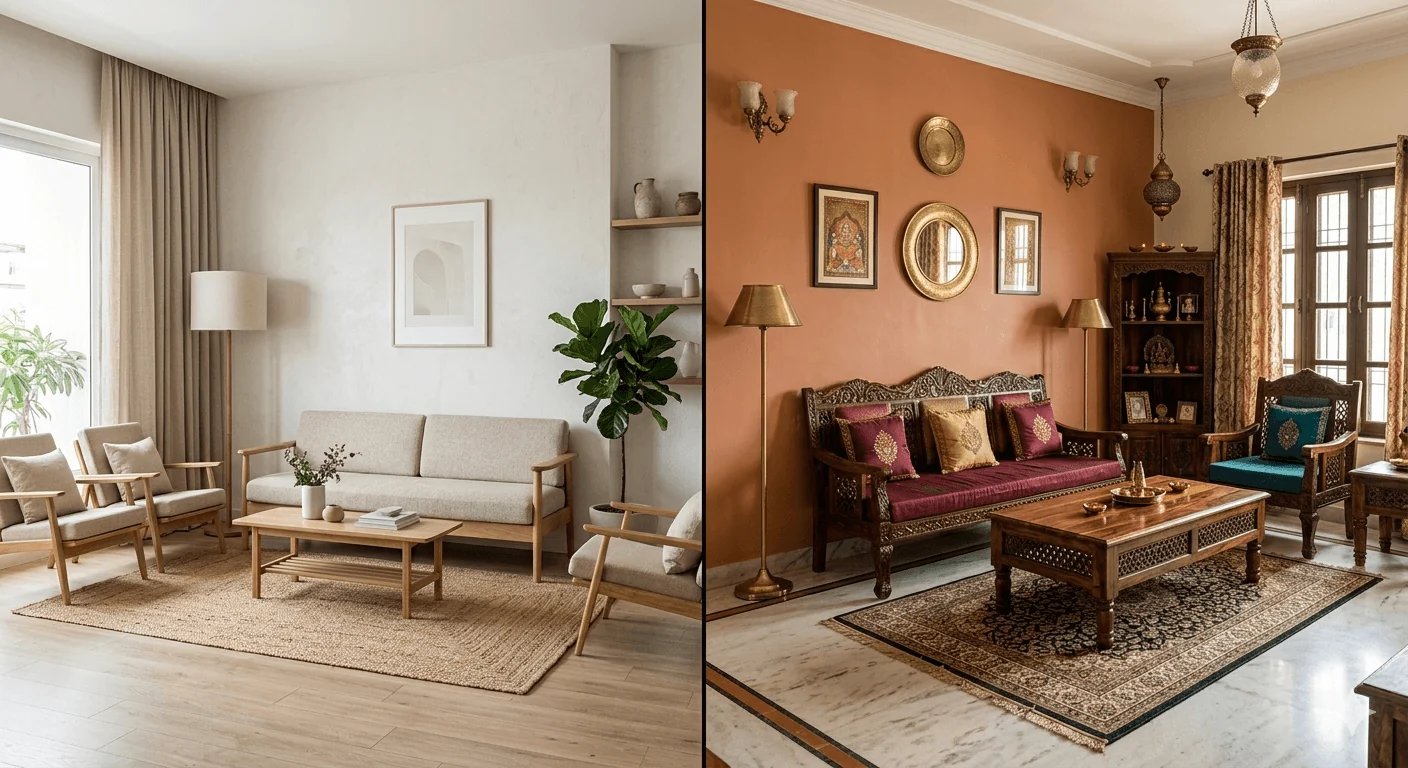
Living Room Furniture: Ideas to Create a Stylish and Comfortable Home

Living room furniture plays an important role in creating a comfortable, attractive, and functional home. The living room is often the first space guests see when they enter a house, and it is where families relax, watch television, entertain visitors, and spend time together. Choosing the right furniture can make this space feel welcoming while improving its appearance and usability. From comfortable sofas and stylish coffee tables to elegant TV units, storage cabinets, and accent chairs, every piece contributes to the overall design. The best furniture choices depend on room size, personal taste, lifestyle, and budget. By considering materials, colours, layouts, and practical requirements, homeowners can create a living room that combines beauty with everyday comfort.
Understanding Your Living Room Space
Before purchasing furniture, it is important to understand the dimensions and layout of your living room. A large room may accommodate a sectional sofa, several chairs, and a spacious coffee table, while a smaller room requires carefully selected pieces that do not make the area feel crowded. Measuring the available floor space helps determine the appropriate furniture dimensions and placement.
Consider the location of windows, doors, electrical outlets, and walkways before finalising your layout. Furniture should support easy movement and allow natural light to enter the room. Avoid placing oversized pieces where they block entrances or make everyday activities inconvenient. A well-planned arrangement creates visual balance and ensures that every item serves a useful purpose. Even a compact living room can look spacious when furniture is selected according to its proportions.
Popular Types of Living Room Furniture
Different furniture pieces serve different purposes, so understanding their functions helps homeowners make better purchasing decisions. Sofas and couches provide the primary seating area, while accent chairs offer additional places to sit. Coffee tables create a convenient surface for drinks, books, and decorative objects. Side tables are useful beside sofas, and TV units help organise entertainment equipment.
Storage furniture is another important consideration. Cabinets, shelves, and console tables provide space for books, accessories, and household essentials. In smaller homes, multifunctional furniture can offer additional storage without taking up unnecessary floor space. The ideal combination depends on how the room is used and how many people regularly occupy it.
When selecting living room furniture, consider the relationship between individual pieces. A sofa should complement the coffee table in height and size, while chairs should coordinate with the main seating arrangement. Matching every item is not essential; combining complementary materials, colours, and styles can create a more interesting and personalised interior.
Choosing the Right Sofa and Seating
The sofa is often the centrepiece of the living room, making its size, comfort, and design especially important. Before choosing a model, consider how many people need seating and how the room is used. A three-seater sofa may suit a medium-sized family, while a sectional sofa can provide generous seating in a larger space. A loveseat or compact two-seater can work well in apartments and smaller homes.
Upholstery also affects comfort, maintenance, and appearance. Fabric sofas offer a wide range of textures and colours, while leather and leather-look options can provide a sleek, contemporary finish. Homes with children or pets may benefit from durable, easy-to-clean materials. Neutral upholstery is versatile and can be refreshed with colourful cushions, throws, and seasonal accessories.
Comfort should always take priority over appearance alone. Check the seat depth, cushion firmness, back support, and frame construction before buying. If possible, test the sofa in person. A well-made sofa can serve as a long-term investment, providing reliable seating while maintaining the visual appeal of your living space.
Coffee Tables, Side Tables, and TV Units
Coffee tables provide both practical value and decorative appeal. They create a central surface for everyday essentials and help connect the seating arrangement. Rectangular tables often suit traditional sofa layouts, while round tables can soften the appearance of a room and improve movement around furniture. Glass tops can create a lighter visual effect, whereas wooden tables introduce warmth and texture.
Side tables are useful for keeping lamps, remote controls, books, and drinks within reach. They are particularly valuable when placed beside sofas or armchairs. Choose a height that works comfortably with the seating and ensure the table does not obstruct walking paths.
TV units help organise televisions, gaming devices, streaming equipment, and cables. Some designs include drawers and cabinets for additional storage, while wall-mounted units can create a streamlined appearance. The right TV unit should complement the room’s style and provide sufficient space for equipment. Combining these smaller pieces thoughtfully can make the living room more organised, convenient, and visually balanced.
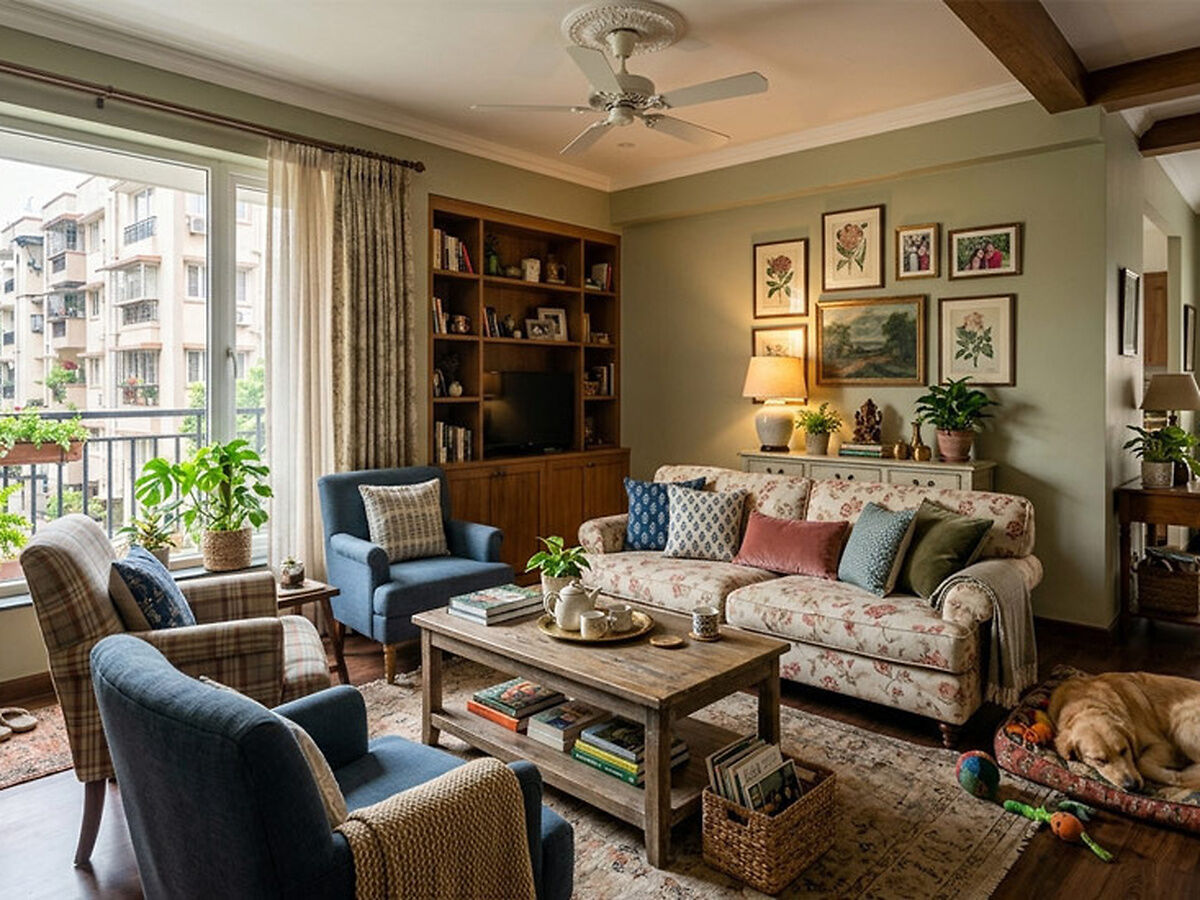
Modern, Traditional, and Contemporary Furniture Styles
Furniture style determines the overall character of a living room. Modern designs typically feature clean lines, simple shapes, and uncluttered arrangements. Neutral colours, metal details, and streamlined furniture can create a fresh, minimalist appearance. This style is particularly suitable for people who prefer an organised and understated interior.
Traditional furniture often includes detailed craftsmanship, rich wood finishes, decorative legs, and classic upholstery. These pieces can create a timeless atmosphere and work well in homes with established architectural features. Contemporary designs combine current trends with practical functionality, often using mixed materials, interesting shapes, and adaptable colour schemes.
You do not need to follow one style strictly. Mixing different influences can produce a distinctive interior when the colours, proportions, and finishes work together. For example, a modern sofa can look attractive alongside a wooden coffee table and a traditional rug. Maintaining a consistent colour palette helps connect different pieces and prevents the room from appearing disjointed.
Furniture Materials and Their Benefits
The materials used in furniture affect durability, comfort, maintenance, and cost. Solid wood is valued for its natural appearance and strength, although its quality and maintenance requirements vary by wood type and finish. Engineered wood can provide a more budget-friendly option for TV units, shelves, and cabinets.
Metal frames can offer a contemporary appearance and structural support, while glass surfaces help create a lighter visual effect. Upholstered furniture depends on both the fabric and the frame underneath. Durable fabrics may be preferable for busy households, while delicate materials can be suitable for rooms used less frequently.
| Furniture material | Main benefits | Important consideration |
|---|---|---|
| Solid wood | Durable, natural appearance | Cost and maintenance vary |
| Engineered wood | Often economical and versatile | Check construction and finish |
| Metal | Modern appearance and structural strength | Finish quality affects resistance to wear |
| Glass | Creates a light, open look | Requires regular cleaning and careful handling |
| Fabric upholstery | Comfortable and available in many colours | Cleaning needs depend on the fabric |
| Leather or leather-look upholstery | Sleek appearance and convenient surface care in many cases | Quality and care requirements vary |
When comparing materials, consider how frequently each piece will be used. Strong construction, reliable joints, quality upholstery, and suitable finishes often matter more than decorative details alone.
Selecting Colours and Coordinating Accessories
Colour has a significant influence on the atmosphere of a living room. Neutral shades such as beige, cream, grey, and white create a flexible foundation that works with many interior styles. They can also make a small room feel brighter when combined with suitable lighting and uncluttered furniture arrangements.
Bolder colours can introduce personality and visual interest. A navy sofa, green accent chair, or colourful cushions can become a focal point without requiring a complete redesign. Wooden furniture adds warmth, while metallic details can provide contrast and sophistication.
Accessories help bring the room together. Cushions, throws, rugs, curtains, lamps, artwork, and indoor plants can complement the main furniture pieces. However, too many accessories may make the space feel busy. Choose a few items that reinforce the desired style and leave enough open space for the room to feel comfortable.
Space-Saving Furniture for Small Living Rooms
Small living rooms require furniture that makes efficient use of available space. Compact sofas, nesting tables, wall-mounted shelves, and narrow console tables can provide useful functions without overwhelming the room. Furniture with raised legs may also create a more open visual effect by allowing more of the floor to remain visible.
Multifunctional pieces are particularly useful in apartments and homes where the living room serves several purposes. Storage ottomans can provide seating, a footrest, and hidden storage. Sofa beds can accommodate overnight guests, while extendable tables can provide additional surface space when required.
Consider vertical storage rather than filling every corner with cabinets. Wall shelves and tall storage units can organise books and accessories while preserving valuable floor space. Before purchasing any item, check its dimensions carefully and make sure drawers, doors, and reclining mechanisms have sufficient room to operate.

Budget Planning and Furniture Quality
Setting a realistic budget helps narrow down the available options and prevents unnecessary spending. Start by identifying essential pieces, such as a sofa, coffee table, and TV unit. Additional chairs, decorative tables, and accessories can be purchased later as the budget allows.
Compare furniture based on construction, material quality, comfort, warranty, and expected maintenance rather than price alone. A cheaper item may require replacement sooner, while a well-constructed piece may offer better long-term value. However, expensive furniture is not automatically superior, so inspect specifications and workmanship carefully.
Look for sales and seasonal offers, but avoid purchasing an item simply because it is discounted. Measure the room, confirm delivery arrangements, and check return policies before placing an order. If you are furnishing an entire home, purchasing essential pieces first can help maintain a consistent style while spreading expenses over time.
Practical Tips for Arranging Living Room Furniture
A good layout makes the living room easier to use and more inviting. Arrange seating to encourage conversation and ensure people can move freely between different areas. Keep enough space around tables and doorways, and avoid positioning furniture where it interferes with natural movement.
Use these practical tips when planning your layout:
- Establish a focal point, such as a television, fireplace, or large window.
- Position the sofa and chairs to create a comfortable seating group.
- Choose a coffee table that fits the scale of the seating arrangement.
- Keep frequently used items within easy reach.
- Combine open shelves with closed storage to balance display and organisation.
- Use rugs to define the seating area in an open-plan room.
- Maintain clear walking paths and avoid overcrowding the space.
- Check lighting placement so reading and conversation areas remain comfortable.
A successful arrangement does not require a large room or expensive products. Careful planning, suitable furniture dimensions, and attention to daily habits can make even a modest living room functional and attractive.
Caring for Your Living Room Furniture
Regular maintenance helps preserve the appearance and lifespan of furniture. Vacuum upholstered sofas according to the manufacturer’s recommendations, clean spills promptly, and use suitable cleaning products for the fabric. Test cleaning solutions on an inconspicuous area before applying them more widely.
Wooden surfaces should be cleaned with appropriate products and protected from excessive moisture, heat, and prolonged direct sunlight. Glass tables benefit from regular cleaning with suitable glass cleaners, while metal furniture should be checked for damage to its protective finish. Always follow the manufacturer’s care instructions.
Rearranging furniture occasionally can help refresh the room, but lift heavy pieces carefully rather than dragging them across floors. Using protective pads beneath furniture legs can reduce scratches and noise. Simple habits such as avoiding excessive weight on shelves and tightening loose fittings when necessary can also support long-term durability.
Conclusion
Choosing the right living room furniture involves balancing comfort, design, durability, available space, and budget. From sofas and coffee tables to storage cabinets and accent chairs, each piece should contribute to the room’s functionality and overall appearance. Measuring the space, selecting suitable materials, coordinating colours, and planning the layout can help create an inviting environment for everyday living.
Whether you prefer modern minimalism, traditional elegance, or a contemporary combination of styles, thoughtful choices can transform your living room into a practical and welcoming space. Prioritise quality where it matters most, choose furniture that suits your lifestyle, and use accessories to express your personality. With careful planning and regular maintenance, your living room can remain comfortable, organised, and stylish for years.