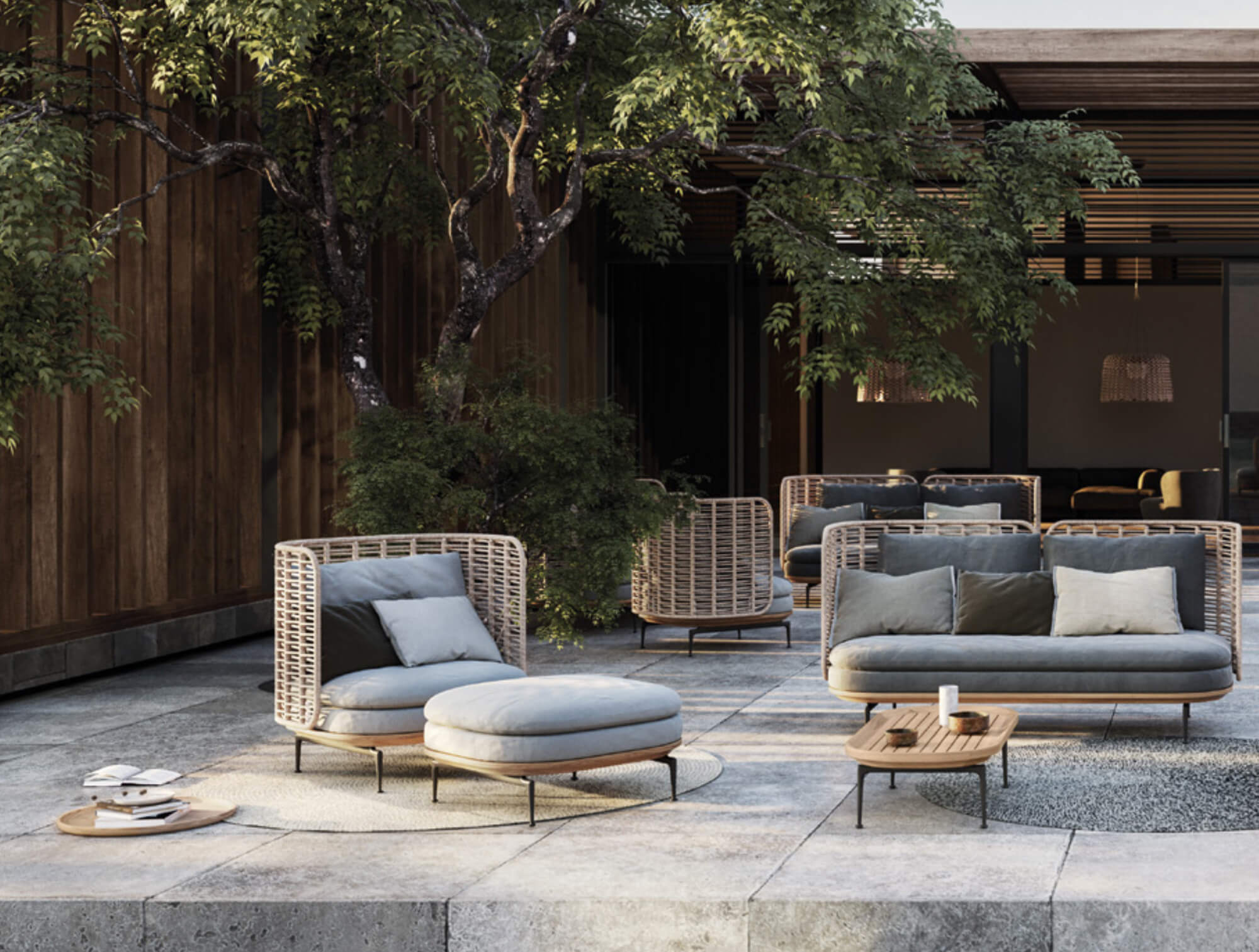

Creating a beautiful outdoor living area starts with choosing furniture that combines comfort, durability, and visual appeal. Whether you have a spacious backyard, a compact balcony, a garden, or a poolside terrace, the right furnishings can transform an ordinary outdoor space into a relaxing retreat. From comfortable seating arrangements to elegant dining sets, homeowners have numerous options for designing an inviting environment for everyday relaxation and social gatherings.
Patio furniture is available in a wide variety of materials, colours, designs, and sizes, making it easier to match outdoor spaces with different lifestyles and architectural styles. However, selecting the right pieces involves more than choosing attractive designs. Buyers should consider weather resistance, available space, maintenance requirements, storage options, and overall value. Understanding these factors helps create an outdoor area that remains practical and attractive throughout the seasons.
What Is Patio Furniture?
Outdoor furniture designed for patios, terraces, balconies, decks, and garden areas is generally known as patio furniture. These furnishings provide comfortable places to sit, dine, entertain guests, and enjoy fresh air. Common options include lounge chairs, outdoor sofas, dining tables, benches, coffee tables, side tables, and decorative accessories.
Unlike ordinary indoor furnishings, outdoor furniture is designed with materials and finishes that can withstand varying environmental conditions. Some products feature weather-resistant frames, quick-drying cushions, protective coatings, or UV-resistant fabrics. The level of protection depends on the material and product construction, so checking manufacturer recommendations is important before purchasing.
A well-planned outdoor furniture arrangement can extend the usable living area of a home. Families can create an outdoor dining zone, couples can establish a quiet reading corner, and homeowners who regularly entertain guests can build a comfortable gathering space. The best choice depends on the available area, intended activities, and personal preferences.
Popular Types of Patio Furniture
Different furniture styles serve different purposes. Understanding the main categories makes it easier to select suitable pieces for a particular outdoor environment.
1. Outdoor Seating Sets
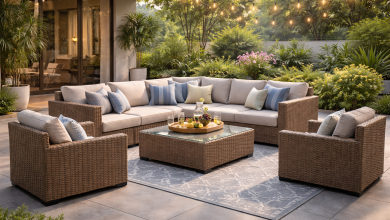
Outdoor seating sets typically include sofas, armchairs, and a coffee table. They are suitable for relaxing, reading, enjoying refreshments, or hosting informal conversations. Modular seating is especially useful because individual sections can be rearranged to accommodate different occasions.
2. Patio Dining Sets
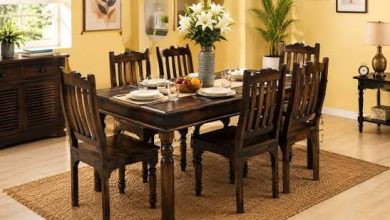
Dining sets usually feature a table and matching chairs. They are ideal for outdoor breakfasts, family dinners, weekend gatherings, and special celebrations. Round tables can work well in smaller spaces, while rectangular designs often accommodate larger groups.
3. Lounge Chairs and Recliners
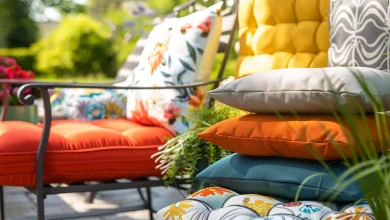
Lounge chairs provide a comfortable place to sunbathe, read, or rest. Adjustable recliners offer additional flexibility, while folding loungers are useful when storage space is limited. Cushioned options can improve comfort, although outdoor cushions require suitable care.
4. Benches and Compact Seating
Benches are practical for gardens, balconies, and narrow patios. Some models include built-in storage, providing space for outdoor accessories. Compact chairs and stools can also offer additional seating without occupying too much floor area.
5. Hanging Chairs and Daybeds
Hanging chairs introduce a playful, relaxing element, while outdoor daybeds create a luxurious lounging area. These options work particularly well in larger patios or sheltered garden corners, provided that hanging structures have appropriate support and installation.
Best Materials for Patio Furniture
Material selection influences durability, appearance, comfort, and maintenance. Each option has advantages and limitations, so the right choice depends on the local climate and intended use.
| Material | Main Benefits | Maintenance Needs | Best Use |
|---|---|---|---|
| Aluminium | Lightweight and rust-resistant | Simple cleaning | Balconies and modern patios |
| Teak wood | Natural appearance and durability | Periodic care if desired | Gardens and premium outdoor spaces |
| Wicker or synthetic rattan | Stylish and lightweight | Regular dusting and washing | Lounging areas |
| Steel | Strong and often affordable | Protect finishes from corrosion | Dining sets and sturdy seating |
| Plastic or resin | Lightweight and easy to clean | Minimal routine maintenance | Casual and budget-friendly spaces |
| Stone or concrete | Stable and substantial | Surface-specific cleaning | Permanent outdoor settings |

Wooden Furniture
Wood creates a warm, natural appearance that complements gardens and landscaped surroundings. Teak is valued for its natural oils and outdoor durability, while other wood species may require more frequent sealing or protective treatment. Wooden pieces should be maintained according to the manufacturer’s instructions to reduce weather-related deterioration.
Metal Furniture
Aluminium is popular because it is relatively lightweight and does not rust in the same way as ordinary steel. Steel furniture can offer excellent strength, but its protective coating needs attention to prevent corrosion. Metal surfaces may become hot in direct sunlight, making cushions or shaded placement useful additions.
Wicker and Synthetic Rattan
Synthetic rattan combines a woven appearance with practical outdoor performance. It is commonly used for sofas, armchairs, and dining sets. Quality varies, so buyers should check frame construction, weave durability, and resistance to sunlight before choosing a product.
How to Choose the Right Patio Furniture
Selecting appropriate outdoor furnishings requires a balance between design, functionality, and long-term value. Begin by measuring the available area and identifying how the space will be used. A small balcony may need two compact chairs and a narrow table, whereas a large patio might accommodate separate dining and lounging zones.
Next, consider local weather conditions. Furniture exposed to strong sunlight, heavy rain, humidity, or dust may require more durable materials and additional protection. If the area is uncovered, weather-resistant finishes and suitable outdoor fabrics become particularly important.
Comfort should also influence the final decision. Test seating height, back support, cushion thickness, and table proportions whenever possible. Families with children may prefer rounded edges and easy-to-clean surfaces, while frequent entertainers may prioritise larger tables and flexible seating.
Before purchasing, compare product dimensions, warranties, assembly requirements, replacement cushion availability, and maintenance instructions. A lower purchase price does not always mean better value if the furniture requires frequent repairs or replacement.
Patio Furniture Ideas for Different Outdoor Spaces
Small Balconies
Small balconies benefit from compact, multifunctional designs. Folding chairs, nesting tables, and slim benches help preserve walking space. Choose a limited colour palette and lightweight accessories to create a visually organised environment without making the area feel crowded.
Vertical planters, wall-mounted lighting, and outdoor rugs can add personality without taking up much floor space. Keep doors and access routes clear, and check the balcony’s permitted load before adding heavy furniture or planters.
Gardens and Backyards
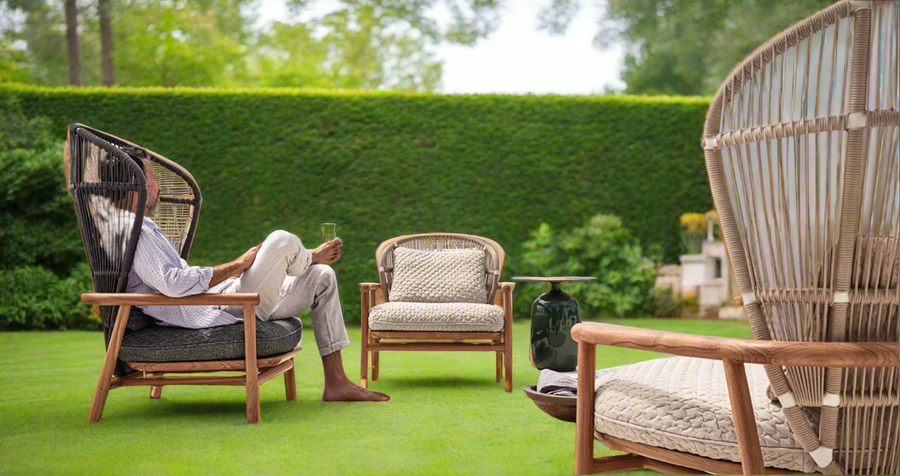
Larger outdoor areas offer greater flexibility. A garden can feature a dining table near the house, a lounge arrangement beneath a pergola, and a bench overlooking landscaped plants. Separating the area into practical zones makes the overall layout feel intentional.
Natural wood, neutral cushions, and greenery create a calm atmosphere, while colourful accessories can introduce a more playful style. Consider shade, drainage, and proximity to the kitchen when positioning furniture for regular use.
Poolside Areas
Poolside furnishings should prioritise comfort, stability, and moisture management. Choose materials suitable for wet environments and cushions made with outdoor-appropriate fabrics. Chaise lounges, small side tables, and umbrellas can make the area more functional.
Avoid leaving unsuitable metal or fabric products continuously exposed to splashing water and harsh sunlight. Keep furniture positioned to maintain safe, unobstructed walking routes around the pool.
Covered Patios
Covered patios provide greater protection from direct sunlight and rainfall, allowing homeowners to explore a broader range of finishes and upholstery. Nevertheless, humidity, wind-driven rain, and indirect sunlight can still affect furniture. Select products designed for outdoor use rather than assuming that a roof makes indoor furniture suitable.
Essential Features to Consider Before Buying
When comparing furniture options, pay attention to the features that influence daily usability and long-term performance.
- Weather resistance: Choose materials and finishes appropriate for your climate.
- Comfortable seating: Look for supportive frames, suitable seat depth, and well-designed cushions.
- Space efficiency: Measure furniture and allow enough room to move around comfortably.
- Easy maintenance: Consider removable cushion covers, washable surfaces, and accessible replacement parts.
- Durable construction: Inspect joints, fasteners, frame stability, and finish quality.
- Flexible design: Stackable chairs and modular seating can accommodate changing needs.
- Storage options: Folding furniture and storage benches help keep smaller areas organised.
- Style compatibility: Match colours, textures, and shapes with the surrounding architecture.
These features can help buyers compare products more effectively than appearance or price alone. A thoughtful purchase should meet practical needs while supporting the intended atmosphere of the outdoor space.
How to Maintain Outdoor Furniture
Regular maintenance helps preserve appearance and extend the useful life of outdoor furnishings. Begin by removing dust, leaves, and loose dirt with a soft brush or cloth. Wash surfaces with an appropriate mild cleaning solution when needed, following the manufacturer’s care instructions.
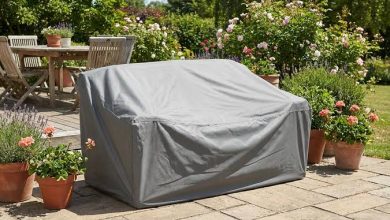
Cushions should be cleaned according to their fabric requirements and allowed to dry completely before storage. Moisture trapped inside cushions can encourage mould and unpleasant odours. During prolonged periods of poor weather, use breathable protective covers or move suitable pieces into a dry storage area.
Wooden furniture may need periodic treatment depending on its species and finish. Metal furniture should be checked for damaged coatings, loose fasteners, and early signs of corrosion. Synthetic woven furniture benefits from occasional cleaning to remove dirt trapped between the strands.
Seasonal inspections are also useful. Tighten loose screws, check structural stability, and replace damaged components when possible. Avoid dragging heavy pieces across delicate flooring, and use furniture pads where appropriate. These simple habits help maintain comfort, safety, and appearance over time.
Patio Furniture Trends for Modern Homes
Modern outdoor design increasingly focuses on creating spaces that feel like natural extensions of indoor living areas. Neutral colours, textured fabrics, streamlined frames, and modular seating remain versatile choices for many home styles. Earthy shades such as beige, olive, brown, and charcoal can complement natural stone, timber decking, and greenery.
Multifunctional furniture is another practical direction, particularly for homes with limited outdoor space. Storage benches, extendable dining tables, and lightweight movable chairs help homeowners adapt their layouts for different occasions. Sustainable materials and products designed for repair may also appeal to buyers seeking longer-lasting furnishings.
Personalisation remains important. Outdoor rugs, cushions, lanterns, planters, and shade structures can transform a simple seating arrangement into a distinctive setting. Rather than following every trend, select a consistent combination of colours and materials that suits the home’s architecture and the way the space will be used.
Budget Planning and Value for Money
The cost of outdoor furnishings varies according to material, dimensions, craftsmanship, brand, and included accessories. Basic plastic chairs may suit occasional use, while premium hardwood seating or large modular sofas typically require a larger investment. Dining sets, loungers, umbrellas, and cushions should be compared as complete arrangements rather than as isolated products.
Establish a budget before shopping and prioritise the pieces that will receive the most use. For example, a comfortable seating set may be more valuable than decorative accessories if the patio serves as the main relaxation area. Buyers can expand the arrangement gradually instead of purchasing everything at once.
Check whether cushions, covers, delivery, assembly, and warranties are included in the quoted price. It is also worth considering the potential cost of cleaning products, seasonal storage, and replacement parts. Investing in suitable construction and materials can provide better long-term value than selecting furniture based solely on its initial cost.
Conclusion
Choosing the right outdoor furnishings involves understanding available space, preferred activities, weather conditions, materials, comfort, and maintenance requirements. From compact balcony arrangements to spacious garden dining areas, thoughtful furniture selection can make outdoor spaces more welcoming and functional.
Patio furniture should complement the home’s design while meeting practical everyday needs. By comparing materials, measuring carefully, planning a realistic budget, and following appropriate care instructions, homeowners can create an attractive outdoor environment that supports relaxation, family meals, and social gatherings. A balanced approach to comfort, durability, and style helps ensure that the finished space remains enjoyable for years to come.