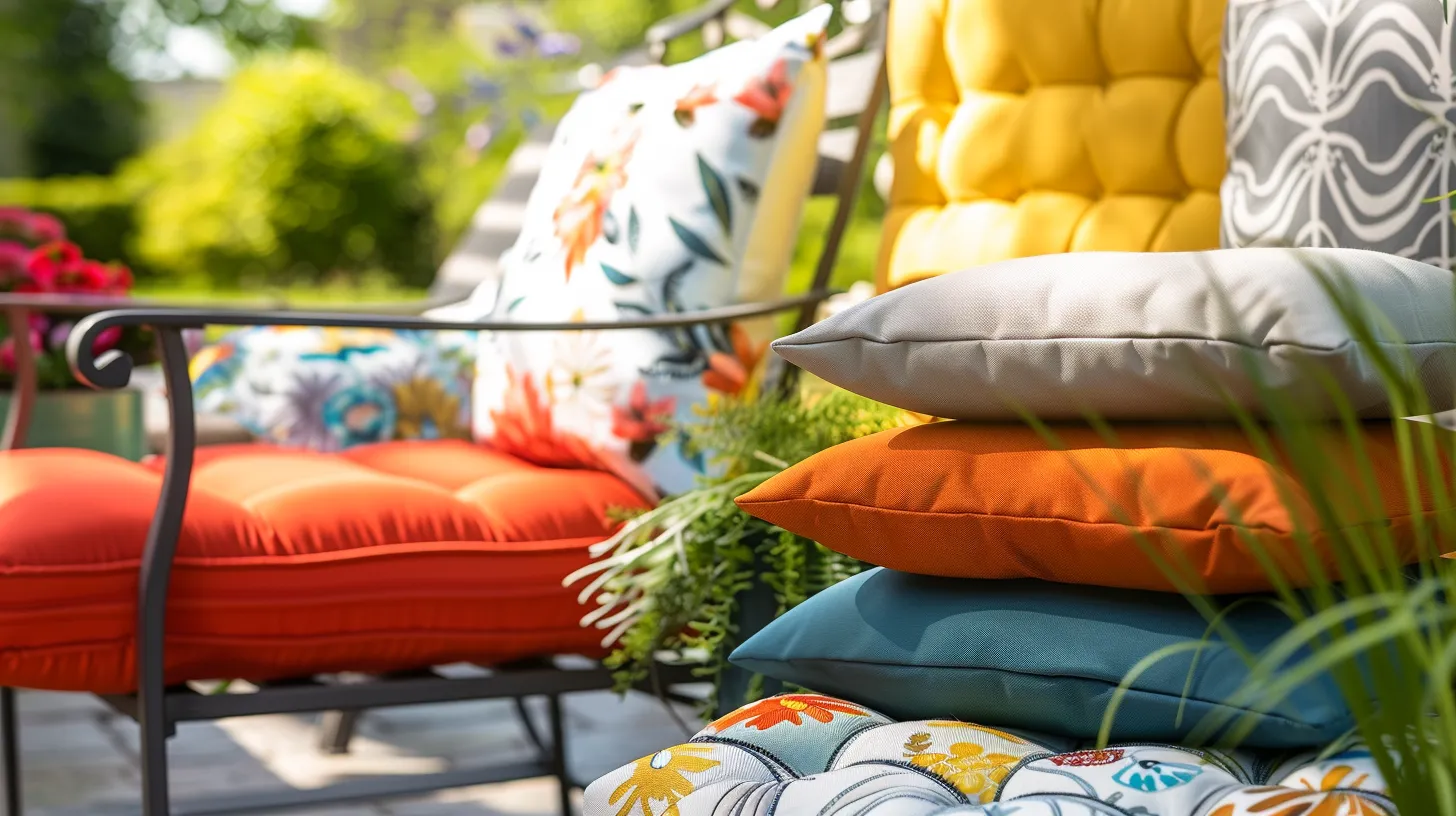
Patio Furniture Cushions: A Complete Guide to Comfort, Style, and Durability

Outdoor spaces have become an important part of modern homes, offering a relaxing place to enjoy fresh air, spend time with family, entertain guests, and appreciate the beauty of nature. Whether you have a spacious backyard, a small balcony, a garden seating area, or a welcoming patio, comfortable seating can make the space more inviting. Choosing the right patio furniture cushions helps improve the comfort, appearance, and functionality of outdoor furniture. These accessories are available in various colors, patterns, shapes, thicknesses, and materials, making it easy to create a setting that matches your personal style.
However, selecting suitable cushions involves more than choosing an attractive design. Outdoor conditions can expose fabrics to sunlight, moisture, dust, and temperature changes. The right combination of durable fabric, supportive filling, appropriate dimensions, and simple maintenance can help your cushions remain comfortable and attractive for longer. Understanding these factors makes it easier to choose products that suit your furniture, climate, lifestyle, and budget.
Why Outdoor Cushions Are Important
Outdoor furniture is designed to provide a functional place to sit, but hard surfaces may become uncomfortable during extended use. Cushions add softness and support, making chairs, benches, sofas, and loungers more suitable for everyday relaxation. They can also improve the overall appearance of an outdoor setting by introducing coordinated colors, decorative patterns, and different textures.
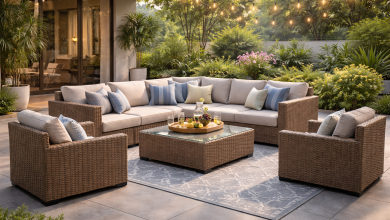
Well-selected cushions can transform an ordinary seating arrangement into a comfortable outdoor retreat. For example, neutral-colored cushions create a calm and sophisticated atmosphere, while bright shades add energy to a garden or patio. Layering cushions in complementary colors can also make a large seating area feel more welcoming.
Another advantage is flexibility. Instead of replacing an entire furniture set when your outdoor style changes, you can update its appearance by replacing the cushions. This approach allows homeowners to refresh their patios seasonally or experiment with different decorative themes without making a major investment. Choosing practical designs alongside attractive finishes ensures that outdoor seating remains both useful and visually appealing.
Different Types of Patio Cushions
Understanding the available cushion styles helps you select options that fit your furniture and intended use. Seat cushions, back cushions, bench cushions, and chaise lounge cushions each serve a different purpose. Their dimensions and construction affect comfort, appearance, and compatibility with particular furniture pieces.
Seat cushions are designed to provide padding beneath the body, while back cushions offer additional support when sitting upright. Bench cushions typically feature longer shapes that cover extended seating surfaces. Lounge cushions are often thicker and designed to accommodate reclining positions. Some products are sold individually, whereas others come in coordinated sets containing matching seat and back cushions.
When exploring patio furniture cushions, consider how each piece of furniture will be used. Dining chairs generally benefit from cushions that provide comfortable support without excessive thickness. Deep outdoor sofas can accommodate fuller cushions for a relaxed appearance. Meanwhile, movable cushions are useful for flexible seating arrangements because they can be repositioned or stored when necessary.
Best Materials for Outdoor Cushion Covers
The material used for an outdoor cushion cover influences its durability, appearance, cleaning requirements, and resistance to environmental conditions. Since outdoor furniture experiences different levels of exposure, choosing a suitable fabric is essential.
Solution-dyed acrylic is a popular option because its color is incorporated into the fibers during production. This construction can provide strong color retention when compared with many conventional dyed fabrics. Polyester is another common choice, offering a wide selection of colors and patterns at different price points. However, its performance depends on the specific fabric treatment, construction, and quality.
Olefin is also used for outdoor textiles because it can offer good moisture resistance, durability, and color stability. Cotton blends may feel soft, but untreated versions are generally less suitable for prolonged exposure to rain and humidity.
Before purchasing a cover, examine its care instructions and product specifications. Some fabrics include water-repellent finishes, UV protection, or removable covers. Remember that water-resistant does not necessarily mean waterproof, and even durable outdoor fabrics benefit from appropriate cleaning and storage.
Cushion Filling and Comfort Levels
The filling inside a cushion determines how supportive, soft, and comfortable it feels. Different filling materials serve different purposes, so the best choice depends on the furniture design and the amount of use it receives.
Polyester fiberfill is commonly used in decorative and lightweight cushions because it offers a soft feel and is generally affordable. High-density foam provides firmer support and may be preferable for dining chairs or frequently used seating. Some outdoor cushions combine foam with a softer fiber layer to balance structure and comfort.
Quick-drying foam is particularly useful in outdoor environments where cushions may occasionally become wet. Its open structure can help water drain and air circulate more effectively than conventional foam, although the cover and overall cushion construction also affect drying performance.
Thickness matters as well. Thin cushions can suit compact chairs and smaller balconies, while thicker cushions often provide a more relaxed seating experience. Nevertheless, additional thickness does not automatically mean better comfort. The cushion should support the body properly and fit the furniture without sliding, bunching, or creating an awkward sitting position.

Choosing the Right Size and Shape
Correct measurements are essential when buying cushions for outdoor furniture. A cushion that is too small may leave uncomfortable gaps, while an oversized option can hang over the edges or interfere with the furniture’s appearance. Measuring before shopping reduces the likelihood of ordering an unsuitable product.
For seat cushions, measure the width and depth of the seating surface. For back cushions, check the available height and width, taking into account the angle of the chair or sofa. Curved, rounded, or unusually shaped furniture may require specially designed cushions rather than standard rectangular options.
Use these practical measurement tips:
-
Measure the furniture frame rather than estimating dimensions visually.
-
Check the seat depth and width at the points where the cushion will rest.
-
Consider the cushion’s finished dimensions, including any rounded edges.
-
Measure individual seats separately when a sofa has multiple seating sections.
-
Confirm whether ties, straps, or nonslip backing are needed to keep cushions in place.
-
Compare the cushion dimensions with the manufacturer’s furniture specifications.
Taking accurate measurements before selecting patio furniture cushions helps create a neat, comfortable seating arrangement while reducing unnecessary returns and replacement costs.
Popular Colors, Patterns, and Outdoor Styles
Color and pattern choices can influence the entire atmosphere of an outdoor living area. The right combination can make a small patio appear coordinated, create visual interest in a large garden, or complement the natural colors of surrounding plants and furniture.
Neutral shades such as beige, cream, grey, and soft brown work well with wood, metal, wicker, and stone furniture. They provide a timeless foundation and can be paired with colorful decorative accessories. Blue and green shades complement garden environments, while terracotta, mustard, and coral can introduce warmth.
Floral patterns and botanical prints are popular choices for garden seating. Geometric designs offer a contemporary appearance, while stripes can create a classic coastal atmosphere. If your furniture already features an intricate design, solid-colored cushions may produce a more balanced result.
Consider the surroundings before deciding on a palette. Darker colors can make a seating area feel sophisticated, but they may absorb more heat in direct sunlight. Lighter fabrics can create an airy appearance, although dirt and stains may be more visible. Choosing a coordinated combination of neutral base cushions and patterned accent cushions allows you to update the look without replacing every piece.
Weather Resistance and Outdoor Durability
Outdoor cushions need appropriate care and construction to handle changing weather conditions. Sunlight can gradually fade certain fabrics, while repeated exposure to moisture may encourage mildew when cushions remain damp. Wind, dust, and airborne debris can also affect their appearance.
Look for fabrics with clearly stated UV-resistance features if your furniture receives direct sunlight. Water-repellent covers may help moisture roll off the surface, while quick-drying fillings can reduce the time required for cushions to dry after getting wet. These features improve practicality but do not make every cushion suitable for permanent outdoor exposure.
Whenever possible, place outdoor seating under a covered patio, pergola, or shade structure. Bring cushions indoors during prolonged rainfall or severe weather, and allow damp items to dry completely before storing them. Breathable storage bags or containers can help protect cushions during periods of non-use.
Durability also depends on construction quality. Strong stitching, secure seams, reliable zippers, and well-fitted covers can help products withstand regular handling. Checking these details before purchase is often more useful than judging quality by appearance alone.
Comparison of Outdoor Cushion Materials
The following table compares common materials and their general characteristics.
| Material | Main Advantage | Consideration | Suitable Use |
|---|---|---|---|
| Solution-dyed acrylic | Good color retention | Often costs more | Sun-exposed seating |
| Polyester | Broad range of designs | Performance varies by treatment | Everyday outdoor furniture |
| Olefin | Durable and moisture-resistant options | Quality varies by construction | Patios and garden seating |
| Cotton blend | Soft, natural feel | Untreated fabric may absorb moisture | Covered outdoor spaces |
| Polyester fiberfill | Soft and lightweight | May flatten with use | Decorative back cushions |
| High-density foam | Supportive seating | Needs suitable moisture protection | Dining chairs and sofas |
| Quick-drying foam | Promotes drainage and airflow | Usually costs more than basic foam | Frequently used outdoor seating |
The best combination often includes a weather-appropriate cover and a filling designed for the expected level of exposure. Always check the complete product specifications because the performance of a cushion depends on more than one material.
How to Clean and Maintain Outdoor Cushions
Regular maintenance helps preserve the appearance and comfort of outdoor seating. Dust, pollen, food particles, and other debris can accumulate on fabric surfaces, especially when furniture is located near trees or gardens. A simple cleaning routine can prevent minor dirt from becoming more difficult to remove.
Start by checking the manufacturer’s care instructions. Many removable covers can be cleaned separately, while others require spot cleaning. Use a soft brush or vacuum attachment to remove loose dirt before applying a suitable cleaning solution. Avoid harsh chemicals or abrasive tools unless the manufacturer specifically recommends them.
For general maintenance, follow these steps:
-
Brush away loose dust and leaves regularly.
-
Treat spills promptly using the recommended cleaning method.
-
Rinse cleaning products thoroughly when the care instructions require it.
-
Allow cushions to dry completely before placing them back on furniture.
-
Store cushions in a dry, ventilated location during extended periods of bad weather.
-
Inspect seams, zippers, and ties periodically for signs of wear.
If cushions develop persistent odors or visible mildew, follow the manufacturer’s guidance for safe cleaning. Avoid sealing damp cushions inside airtight storage containers, as trapped moisture can contribute to further problems.

Styling Ideas for Different Outdoor Spaces
Different outdoor environments benefit from different cushion arrangements. A small balcony may look best with slim cushions in light colors, while a spacious patio can accommodate larger seating pieces and a more layered decorative scheme. Matching the arrangement to the available space helps maintain a balanced appearance.
For a garden seating area, combine green or earthy tones with natural materials such as timber and woven furniture. On a contemporary terrace, grey cushions with black metal frames can create a clean, modern effect. A coastal-inspired patio can feature white, navy, and pale blue fabrics, complemented by simple accessories.
You can also introduce visual variety through different cushion sizes. Keep the main seat cushions consistent, then add smaller accent cushions with contrasting textures or patterns. This approach creates interest without making the space feel crowded.
For family gatherings, prioritize durable fabrics and easily cleaned covers. If your patio is primarily used for relaxing, deeper cushions and softer back support may be more appropriate. Thoughtful styling combines decorative appeal with practical considerations, ensuring the area remains comfortable for everyday use.
Factors That Affect Cushion Prices
The price of outdoor cushions depends on fabric quality, filling type, dimensions, construction, brand, and whether the product is sold individually or as part of a set. Smaller polyester cushions may be relatively affordable, whereas custom-sized cushions made with premium outdoor fabrics can cost considerably more.
Before setting a budget, determine how frequently the furniture will be used and how much weather exposure it receives. Spending more on UV-resistant covers or quick-drying fillings may be worthwhile for furniture that stays outdoors throughout the season. For a covered balcony used occasionally, a simpler option may provide sufficient comfort.
Compare products based on their full specifications rather than price alone. Check whether the quoted price includes both seat and back cushions, removable covers, fastening straps, or custom sizing. Review cleaning requirements and replacement-cover availability as well.
A practical purchasing strategy is to invest in durable cushions for frequently used seating and choose more affordable decorative pieces for occasional use. This allows you to balance comfort, appearance, and long-term value without exceeding your budget.
Common Mistakes to Avoid When Buying Outdoor Cushions
Even attractive cushions can disappoint if they do not suit the furniture or outdoor environment. One common mistake is choosing a design before measuring the seating area. Another is assuming that every product advertised for outdoor use can withstand heavy rain or continuous sunlight.
Avoid these common purchasing errors:
-
Ignoring the exact width, depth, and thickness required.
-
Selecting fabrics without checking their UV and moisture-resistance features.
-
Choosing very soft filling that provides insufficient support.
-
Overlooking cleaning instructions and storage requirements.
-
Buying colors that clash with the furniture or surrounding décor.
-
Assuming water-resistant covers are completely waterproof.
-
Failing to check stitching, fastening methods, and replacement-cover options.
A careful comparison of dimensions, materials, comfort, and maintenance requirements makes it easier to find products that suit your needs. Paying attention to these details can help you avoid unnecessary replacement costs and enjoy your outdoor furniture more consistently.
Conclusion
Choosing the right outdoor cushions is an effective way to improve comfort, enhance decorative appeal, and make patios more useful throughout the year. From selecting weather-appropriate fabrics and supportive fillings to measuring furniture accurately, every decision contributes to the final result. Color coordination, proper cleaning, and suitable storage can also help preserve the appearance and functionality of outdoor seating.
When comparing patio furniture cushions, focus on durability, comfort, dimensions, and maintenance rather than appearance alone. Consider your local weather, furniture style, available space, and budget before making a purchase. With thoughtful planning and regular care, you can create an inviting outdoor environment that supports relaxation, social gatherings, and everyday enjoyment while maintaining a stylish appearance for seasons to come.