
Key Takeaways
- Fall is an ideal time to find and close the small openings pests use to enter a home.
- Food, moisture, clutter, and outdoor hiding places can make indoor spaces more attractive to pests.
- Prevention works best when cleaning, repairs, monitoring, and careful pest identification are used together.
- Persistent activity, damage, or hard-to-reach nests may require a professional evaluation.
As temperatures cool, many pests seek protected places with reliable food, water, and warmth. A fall inspection gives homeowners a chance to address these conditions before pests establish themselves in quiet areas such as garages, wall voids, basements, and attics.
When repeated signs point to a larger issue, support from a professional pest control provider can help identify the pest and the conditions allowing it inside. When cleaning removes food sources, pests can still enter through structural gaps, vents, rooflines, damaged screens, and utility openings, which is why termite and pest control services may be necessary. Pointe Pest Control is a family-operated company that provides residential and commercial pest management in Illinois and Indiana, including the Chicago area and broader Chicagoland, with services for common household pests, rodents, termites, mosquitoes, and bed bugs.
Why Fall Is a Smart Time to Prepare
Winter pest prevention usually begins before winter arrives. Rodents and insects can enter while outdoor conditions are still manageable, then remain sheltered when temperatures drop. For example, a homeowner may notice mice in the garage after the first hard freeze, only to find that a worn seal below the garage door had provided access for weeks.
A single sighting does not automatically mean a major infestation. The U.S. Environmental Protection Agency encourages homeowners to monitor and identify pests, prevent access, and select controls based on the problem. These integrated pest management principles provide a practical framework for making decisions before reaching for broad treatments.
Start With a Walk Around the Home
Choose a dry day, start at one corner of the property, and move in one direction so that no side of the house is overlooked. Bring a flashlight and take photos of areas that need repair.
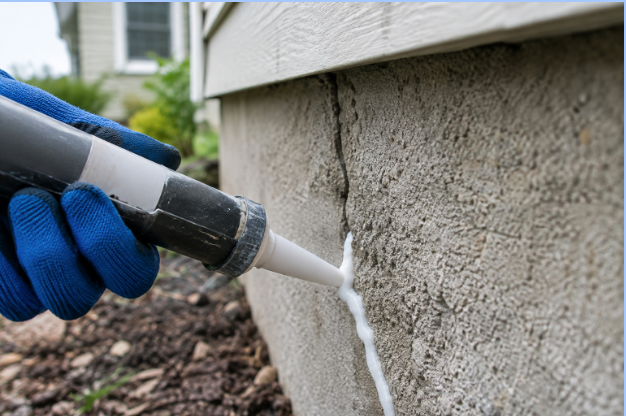
- Check foundation walls for cracks, gaps, and openings near ground level.
- Look closely around windows, exterior doors, vents, and roof edges.
- Inspect the spots where plumbing pipes, electrical wires, and utility cables enter the structure.
- Look beneath decks, porches, steps, and low additions for sheltered gaps.
- Test garage door seals for daylight, brittle rubber, or sections that no longer meet the floor.
Seal the Most Common Entry Points
Begin with openings that lead directly into living areas or attached storage spaces. Work from the foundation upward, then revisit windows, vents, eaves, and attic areas.
- Replace worn door sweeps and weather stripping.
- Use appropriate caulk for narrow, stationary cracks around frames and siding.
- Repair torn window screens and fit vents with suitable pest-resistant screening.
- Use durable repair materials around larger utility penetrations.
- Correct damaged trim, loose siding, or gaps around the roofline features.
Expanding foam can help fill some voids, but it should not be the only barrier where rodents can chew through softer materials. Match the repair material to the opening size, the building surface, and the pest concern.
Make the Kitchen Less Appealing
Sanitation does not close an entry hole, but it reduces what pests gain after they get indoors. Focus on simple habits that are realistic for a busy household.
- Store flour, cereal, dry goods, and pet food in tightly sealed containers.
- Wipe counters and stovetops after cooking.
- Clean crumbs and spills beneath appliances when possible.
- Empty indoor trash before odors build up.
- Avoid leaving pet food out overnight when pest activity is suspected.
Check Basements, Garages, and Attics
Basement Checklist
- Look for plumbing leaks, condensation, damp corners, and standing water.
- Inspect around sump pumps, floor drains, pipes, and foundation penetrations.
- Reduce cardboard storage and keep stored items off the floor when practical.
- Watch for droppings, shed insect skins, gnaw marks, or damaged stored materials.
Garage and Attic Checklist
- Store boxes on shelves and leave enough space to inspect behind them.
- Check attic insulation for disturbance, nesting material, or visible damage.
- Inspect roof vents, soffits, and screens for gaps or tears.
- Keep the garage door closed whenever it is not in use.
Reduce Moisture and Outdoor Shelter
Exterior maintenance supports indoor prevention. Water, dense vegetation, firewood, and yard debris can create protected areas near the house, while moisture can support pest activity in and around the structure.
- Clean gutters and make sure downspouts direct water away from the foundation.
- Repair dripping outdoor faucets and indoor plumbing leaks.
- Remove standing water after rain where feasible.
- Trim shrubs and branches away from siding, windows, and rooflines.
- Move firewood and accumulated yard debris away from the home.
- Keep mulch and dense plant growth from pressing directly against the foundation.
A tidy yard cannot eliminate every pest risk, but it can reduce hiding places and make early signs easier to spot.
Know Which Pests May Show Up
- Mice: Look for droppings, gnaw marks, scratching sounds, or shredded nesting material. Prioritize sealing gaps and securing food.
- Spiders: Webs, egg sacs, and a growing insect population may indicate favorable conditions. Reduce clutter and address the insects that provide prey.
- Ants: Trails near food, sinks, or damp areas can signal activity. Clean the area and correct moisture sources.
- Overwintering insects: Clusters near sunny walls, windows, or attic spaces often point to gaps around screens, frames, or vents.
- Termites: Mud tubes, damaged wood, or discarded wings should be evaluated promptly by a qualified professional.
When DIY Prevention May Not Be Enough
Routine repairs and cleaning are valuable first steps, but some situations require more precise identification or access to concealed areas. Arrange an inspection if droppings return after cleaning, sounds continue inside walls, insulation or wiring appears damaged, multiple pest types are appearing indoors, or a nest is located where it cannot be safely reached.
Use a Simple Seasonal Maintenance Plan
Early Fall
- Walk the exterior, photograph trouble spots, and repair screens, seals, cracks, and vents.
- Clean gutters and remove nearby yard debris.
Late Fall
- Check storage spaces, attics, garages, and basements.
- Move firewood away from the structure and confirm food is sealed.
During Winter
- Watch for fresh droppings, webs, odors, tracks, and new moisture problems.
- Recheck door and garage seals after storms or freezing weather.
Small Repairs Can Make a Big Difference
Keeping winter pests outside is rarely one large project. It is a series of manageable actions: inspect carefully, seal priority gaps, limit food and moisture, reduce clutter, and monitor for new signs. Those steps can make a home far less inviting and help prevent a small concern from becoming a larger problem.