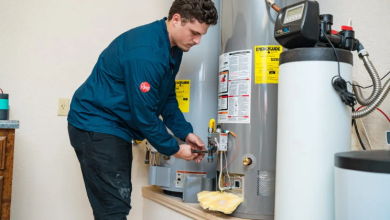

Commercial plumbing systems often operate under much greater pressure than residential systems. Restaurants, offices, retail centers, warehouses, healthcare facilities, schools, and other commercial properties may have dozens or even hundreds of people using plumbing fixtures every day. With this level of demand, minor problems can quickly develop into expensive disruptions. Building a proactive repair strategy can help property owners and facility managers identify problems earlier, control repair costs, and maintain reliable plumbing throughout the building.
Understand The Demands On The Plumbing System
A proactive strategy begins with understanding how a particular property uses water. Every commercial building has different requirements. A restaurant may place significant pressure on drains and grease management systems, while an office building may experience greater demand on restrooms during certain hours.
Facility managers should identify the plumbing components that receive the heaviest use. Toilets, faucets, water heaters, supply pipes, floor drains, sewer lines, and other essential components should receive particular attention. Understanding these usage patterns makes it easier to prioritize inspections and repairs.
Schedule Regular Plumbing Inspections
Waiting until water appears on the floor or a drain completely stops working is rarely an efficient approach. Regular inspections can uncover signs of wear before they cause major operational problems.
Professionals can examine visible pipes, fixtures, connections, drains, valves, and water using equipment for signs of deterioration. Small leaks, unusual corrosion, loose connections, and changing water pressure can provide early indications of developing problems.
Working with a commercial plumber Houston businesses can call for professional inspections may also help establish a repair schedule based on the building’s age, plumbing configuration, usage levels, and previous maintenance history. A customized approach is often more practical than applying the same schedule to every property.
Track Recurring Plumbing Problems
Repeated problems should never be viewed as completely separate incidents. If the same restroom experiences frequent clogs or a particular area repeatedly develops low water pressure, there may be an underlying issue that has not been fully addressed.
Maintaining records of plumbing repairs can reveal valuable patterns. Facility managers can document when problems occurred, what components were affected, what repairs were completed, and whether the issue returned.
Over time, these records can help determine whether continued repairs are sensible or whether replacing a deteriorating component would provide better long-term reliability.
Prioritize Repairs Based On Risk
Not every plumbing issue carries the same level of urgency. A dripping faucet may require attention, but a leaking supply pipe near electrical equipment presents a much greater immediate concern.
A proactive strategy should categorize repairs according to their potential consequences. Problems that could cause flooding, sanitation concerns, structural damage, or interruption of essential operations should receive priority.
This approach allows businesses to use maintenance budgets more effectively while reducing exposure to preventable emergencies.
Pay Attention To Water Pressure And Drain Performance
Changes in everyday plumbing performance can provide useful warnings. Gradually declining water pressure may indicate pipe deterioration, mineral buildup, valve problems, or hidden leaks. Likewise, drains that become progressively slower may indicate developing blockages deeper within the system.
Employees and maintenance personnel should be encouraged to report unusual plumbing behavior instead of waiting for complete failure. Early reports give facility managers more time to investigate problems and arrange repairs under controlled circumstances.
Plan For Aging Plumbing Components
Commercial plumbing systems do not last indefinitely. Pipes, valves, fixtures, water heaters, and other components gradually deteriorate because of age, usage, corrosion, and environmental conditions.
Facility managers should understand the approximate age and condition of major plumbing components. This information can support better budgeting and help businesses plan repairs or replacements before failures occur unexpectedly.
Planned work can often be scheduled during quieter business periods, reducing inconvenience for employees, customers, tenants, and visitors.
Prepare For Unexpected Plumbing Situations
Proactive planning cannot eliminate every plumbing emergency, but it can make unexpected situations easier to manage. Staff members should know where important shutoff valves are located and who should be contacted when urgent plumbing problems occur.
Keeping plumbing documentation, inspection records, and repair history organized can also help professionals diagnose problems more efficiently.
Creating A More Reliable Plumbing System
A proactive commercial plumbing repair strategy is ultimately about reducing uncertainty. Regular inspections, detailed repair records, early reporting, risk-based prioritization, and planned replacement of aging components can help commercial properties avoid unnecessary disruption.
Rather than responding only when something fails, businesses can treat plumbing as an important part of overall facility management. Consistent attention helps create a more dependable system, supports controlled maintenance spending, and keeps the property prepared for the demands of everyday operation.