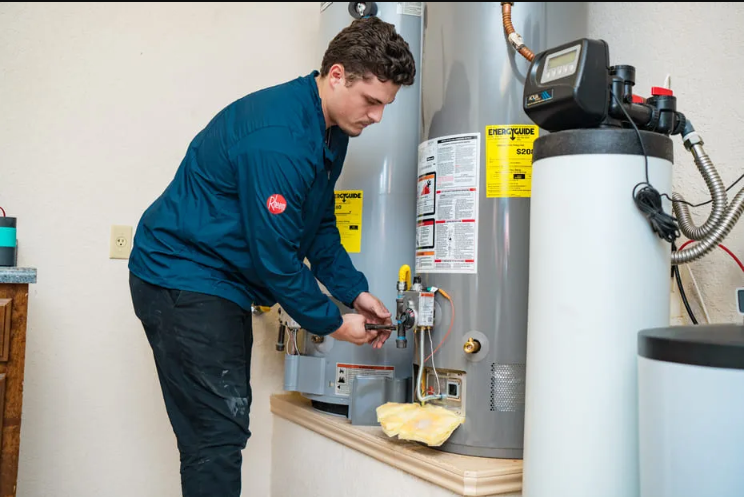
When hot water takes longer than usual to reach a faucet, it can quickly become a problem for a commercial property. Employees may have to wait for hot water in restrooms, customers may notice delays, and businesses that rely heavily on hot water can experience interruptions to their normal routines. A slow-heating water heater isn’t always a sign that the entire system needs to be replaced, but it does deserve attention.
There are several reasons a commercial water heater may struggle to heat water efficiently. Problems with the heating components, sediment buildup, system size, or demand can all affect performance. Understanding the possible causes can help property owners know when it’s time to arrange professional commercial water heater services.
Start by Looking at How the System Is Performing
Before assuming the water heater itself is failing, consider what has changed. Has the water always taken this long to heat, or is the problem new? Is hot water slow at every fixture or only in certain parts of the building?
A new delay can indicate that something has changed within the system. If the problem has gradually become worse, wear, sediment buildup, or declining heating performance may be involved. If the issue started suddenly, a component or control problem could be responsible.
The building’s hot water demand also matters. A system that worked well when the property had fewer occupants may struggle after a change in usage. More employees, customers, tenants, or equipment can increase demand beyond what the existing system was designed to handle.
Common Reasons a Commercial Water Heater Heats Slowly
Several different issues can affect how quickly hot water is produced. Some are related to the water heater itself, while others involve the way the system is being used.
-
Sediment buildup: Minerals and sediment can collect inside certain types of water heaters over time. This buildup can interfere with heat transfer and reduce the amount of usable hot water available. If the system has not been maintained regularly, sediment may be worth checking.
-
Worn heating components: Electric water heaters depend on heating elements, while gas systems use burners and related components. If these parts aren’t working properly, the system may take longer to bring water up to temperature.
-
Insufficient capacity: A water heater that is too small for a commercial building’s current demand may constantly struggle to keep up. This can become especially noticeable during busy periods when multiple fixtures are being used at once.
-
Temperature or control problems: A thermostat or control issue can affect the temperature of the water and how the system operates. Incorrect settings or a malfunctioning control may prevent the heater from working as expected.
How Demand Can Affect Hot Water Availability
Commercial buildings often have much higher and more variable hot water demand than a typical home. Restaurants, offices, healthcare facilities, apartment buildings, and other properties can have very different usage patterns.
If several fixtures are being used at the same time, the water heater may need to recover quickly after a large amount of hot water has been consumed. If the system cannot keep pace with demand, users may notice longer waiting times or periods when hot water isn’t readily available.
Changes in the business can also affect the system. Extended operating hours, increased occupancy, additional bathrooms, new equipment, or changes in daily operations can all increase hot water requirements.
Signs Your Water Heater May Need Attention
A slow recovery time is only one possible warning sign. Paying attention to other changes can help identify a developing problem before it causes a major interruption.
-
Hot water runs out faster: If the building used to have enough hot water throughout the day but now runs out quickly, the system may not be producing or storing hot water as effectively as it once did.
-
Water temperature fluctuates: Hot water that repeatedly changes temperature can point to problems with the heating system, controls, or overall capacity.
-
Unusual sounds: Popping, rumbling, banging, or other unfamiliar sounds may indicate sediment or mechanical issues that should be investigated.
-
Leaks or visible corrosion: Water around the tank, connections, or other components can indicate a plumbing or equipment problem. Corrosion may also signal that parts of the system are deteriorating.
Why Regular Maintenance Matters
Commercial water heaters work hard, particularly in buildings with high daily demand. Without appropriate maintenance, small performance problems can become more disruptive over time.
Routine inspections can help identify issues with heating components, connections, controls, valves, and other parts of the system. Maintenance can also provide an opportunity to check whether sediment or other buildup is affecting performance.
Keeping the system in good condition doesn’t guarantee that problems will never occur, but it can make developing issues easier to identify and address before they interfere with normal business operations.
Could the Hot Water System Be Too Small?
Sometimes the water heater is working properly but simply isn’t suited to the building’s current needs. A property may have changed considerably since the original system was installed.
For example, a business may have added employees, expanded its operating hours, renovated restrooms, or introduced equipment that uses substantial amounts of hot water. In these situations, the original system may no longer provide enough capacity.
Replacing the system isn’t automatically the answer. A professional assessment can help determine whether the problem is caused by equipment performance, demand, distribution, or another issue.
Don’t Overlook the Hot Water Distribution System
The water heater isn’t always responsible for a long wait at the faucet. The distance between the heater and the fixture, the condition of the hot water lines, and the way the plumbing system is configured can all affect how quickly hot water reaches the point of use.
If one area of a building receives hot water quickly while another takes much longer, the distribution system may deserve attention. Looking at the entire setup can help avoid replacing a water heater when the actual problem lies elsewhere.
When It’s Time to Call a Professional
If hot water consistently takes too long to heat, it’s worth having the system inspected rather than continuing to work around the problem. Commercial water heaters involve electrical, gas, plumbing, and temperature-control components, depending on the type of system.
A professional can evaluate the equipment, determine whether it is operating correctly, and look for issues affecting recovery time. They can also assess whether the system is appropriately sized for the building’s current demand.
Addressing the cause early may help prevent a small performance issue from becoming a larger equipment failure or an interruption to the property’s hot water supply.
Think About the Long-Term Needs of the Building
When a commercial water heater repeatedly struggles to keep up, it’s useful to consider both the immediate problem and the property’s future needs. A repair may be enough if a specific component has failed, but a system that is consistently undersized may require a different approach.
Consider how the building is currently being used and whether that is likely to change. Planning around actual demand can help property owners make more informed decisions about repairs, maintenance, or eventual replacement.
Conclusion
A commercial water heater that takes too long to heat water can have several possible causes. Sediment buildup, worn components, incorrect settings, limited capacity, and changes in building demand can all affect how quickly hot water becomes available. The plumbing distribution system can also play a role, particularly when delays are limited to certain areas.
The best way to address the problem is to identify what’s actually causing the slow recovery rather than immediately assuming the water heater needs to be replaced. Regular maintenance, timely inspections, and a system that matches the building’s hot water needs can help keep commercial operations running reliably and reduce unexpected interruptions.