
Plumbing mistakes during renovation are some of the most expensive to fix after the fact, precisely because correcting them often means undoing finished work, tearing out tiles, cabinetry, or flooring that was just installed. Whether you’re managing the renovation yourself or working with a contractor, here are the mistakes that come up again and again, and how to avoid them before they cost you time and money.
Finalizing Layouts Before Confirming Drainage Feasibility
One of the most common mistakes is designing a bathroom, kitchen, or utility layout before checking whether the space actually supports conventional gravity drainage. This is especially common in basements, converted spaces, or rooms far from the main soil stack. Confirm feasibility first, or plan for a pumping solution, before finalizing tile work, cabinetry, or fixtures, since reworking a finished layout later almost always costs significantly more than getting it right from the start.
Underestimating Wastewater Capacity Needs
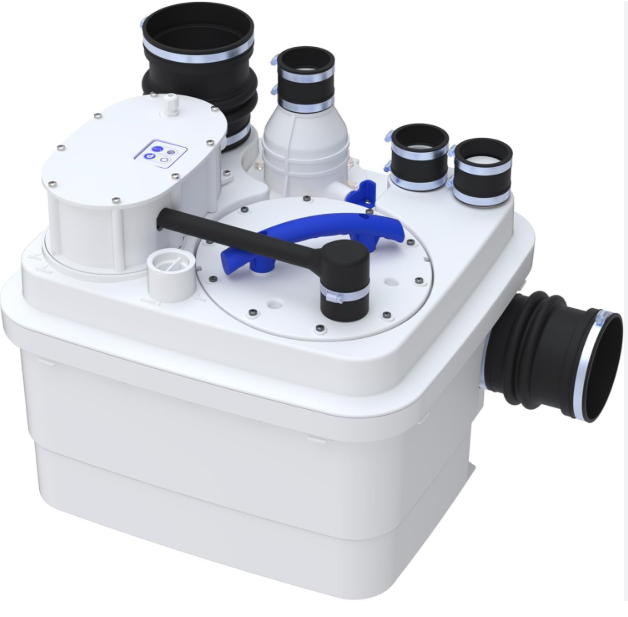
Homeowners often size their plumbing for current needs without accounting for future additions, an extra bathroom, a second washing machine connection, or a bigger kitchen sink setup. Choosing a system with some headroom, rather than the bare minimum, avoids a second renovation down the line. Products like the Sanicom 2 are built with exactly this kind of flexibility for heavier or growing wastewater loads, which is particularly useful for families who anticipate their needs changing over the coming years.
Ignoring Water Pressure on Upper Floors
In multi-floor homes, weak water pressure on upper levels is a frequent complaint that’s often overlooked until after renovation is complete. If your home has multiple floors, address pressure issues at the planning stage with a booster system rather than discovering the problem once tiling and fixtures are already installed. It’s a far cheaper fix when planned alongside the rest of the plumbing work than as a standalone project afterward.
Sequencing Work in the Wrong Order
Plumbing and pump infrastructure should be finalized before walls are tiled, floors are laid, or cabinetry is installed. Renovating in the wrong order means expensive rework, tearing into a freshly tiled bathroom because water pressure or drainage wasn’t addressed first is a mistake that happens more often than it should. A clear, written sequence agreed upon with your contractor before work begins helps avoid this entirely.
Not Getting Multiple Opinions on Complex Installations
For anything beyond straightforward fixture replacement, particularly drainage solutions for basements or converted spaces, it’s worth getting more than one professional opinion. Contractors sometimes default to what’s familiar rather than what’s actually the best fit for your specific layout, and a second opinion can reveal a simpler, more reliable solution than the one initially proposed.
Choosing Cheaper Equipment Without Checking Long-Term Reliability
It’s tempting to cut costs on plumbing equipment since it’s mostly hidden from view, but unreliable pumps and lifting stations lead to recurring breakdowns that cost more in repairs than the initial savings. Investing in a dependable system, such as the Sanicubic lifting station range for larger wastewater needs, tends to be cheaper over the life of the home than repeatedly patching a lower-quality alternative that fails every year or two.
Failing to Document What Was Installed and Where
Once tiles and cabinetry go in, the exact routing of pipes and the specifications of installed equipment are easy to forget. Ask your contractor for a simple diagram or written record of what was installed, including model numbers for any pumps or major fittings. This becomes invaluable the next time something needs servicing, or if you ever sell the home and a buyer’s inspector asks specific questions about the plumbing work that was done.
Skipping a Final Pressure and Leak Test
Before signing off on any plumbing renovation, insist on a full pressure and leak test across every new connection, not just a quick visual check. Small leaks often don’t show themselves until weeks later, sometimes not until they’ve already caused damage to flooring or walls. A proper test at handover, while the contractor is still on-site and accountable, is one of the simplest ways to catch a defect before it becomes a costly repair you have to arrange and pay for separately.
Final Thoughts
Most plumbing mistakes during renovation come down to poor sequencing and underestimating future needs. Planning drainage and pump infrastructure carefully at the start, rather than treating it as an afterthought, is the single best way to avoid expensive corrections later.