
Choosing kitchen cabinets can be difficult when several collections offer similar colors, door profiles, and finishes. A cabinet may look appealing in a photograph, but appearance alone does not tell you whether it will provide enough storage, fit the available space, or work well with the rest of the kitchen. A more useful approach is to compare cabinetry according to several practical factors. Construction, cabinet dimensions, storage types, door styles, finishes, maintenance, hardware, and long-term flexibility can all influence whether a particular collection is suitable for a remodeling project. For homeowners planning a kitchen renovation in Milwaukee, the surrounding architecture and available space can also affect the decision. A cabinet arrangement that works well in a large open kitchen may need to be adjusted for a smaller room or a home with unusual wall dimensions.
Start by Defining What You Need From Your Cabinets
When comparing brand choices for kitchen cabinets, homeowners should first determine what they actually need from the cabinetry. Instead of selecting a brand because of a particular photograph or trend, consider the required storage, preferred door style, available cabinet sizes, finish choices, and overall design direction. This makes the comparison more objective. A collection that offers the right combination of dimensions and storage may be more suitable than one that simply has an attractive finish. It can also help to create a short list of priorities before looking at individual products. For example, one homeowner may prioritize drawer storage, while another may be more concerned with traditional styling or a particular cabinet color.
Let the Kitchen Layout Guide the Decision
The layout should influence cabinet selection from the beginning. Measure the walls and identify windows, doors, appliances, plumbing connections, electrical outlets, and the main walking areas. These details determine where different cabinet sizes can be used. A kitchen may need narrower units in one area, wider drawers in another, and taller storage somewhere else. Clearance is equally important. Cabinet doors and drawers should open without interfering with appliances or creating problems in busy walkways. A well-planned layout should make common activities such as preparing food, cooking, cleaning, and storing items feel natural.
Identify the Storage Problems First
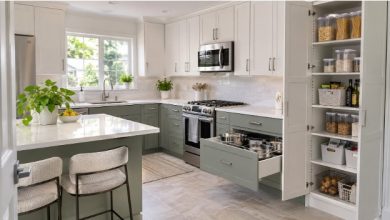
Before comparing cabinet collections, look at what is currently inconvenient about the kitchen. Countertops may be crowded with small appliances, cookware may be difficult to reach, or food products may be spread across several locations. These problems can help determine which cabinet configurations are most useful. Large drawers can provide convenient storage for cookware, while pantry cabinets can organize food products and taller items. Wall cabinets can keep dishes and glasses accessible without taking up valuable floor space. The goal should not simply be to add more cabinets. The goal is to make the available storage easier to use.
Examine Cabinet Construction Carefully
Construction is an important consideration because kitchen cabinets experience frequent daily use. Homeowners should look beyond the visible door and consider the cabinet box, shelves, drawers, hinges, and drawer slides. Manufacturer specifications can help identify meaningful differences between collections. Rather than assuming that one construction method is automatically better, compare the available features with the demands of the particular kitchen. The expected level of use also matters. A busy family kitchen may have different requirements from a less frequently used secondary kitchen.
Compare Door Profiles With the Overall Style
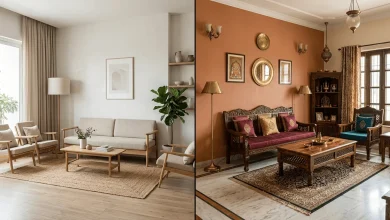
The cabinet door is one of the strongest visual elements in a kitchen. Shaker profiles can create a simple and adaptable appearance, while flat-panel doors tend to emphasize cleaner lines. Raised-panel and recessed-panel designs introduce more detail and can work well in traditional or transitional spaces. The right profile depends on the home’s architecture as well as the homeowner’s preferred aesthetic. Door style should also be considered alongside color. A dark finish on a detailed door can create a very different impression from the same color on a simple, streamlined profile.
Evaluate Colors and Finishes in Context
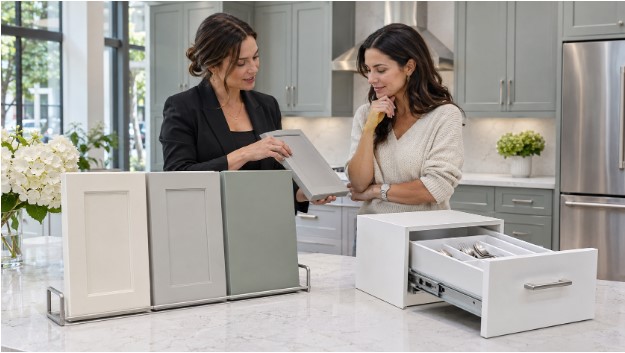
Cabinet color can influence the atmosphere of the entire room. White can create a bright foundation, grey can provide a softer neutral, blue can add personality, and natural wood tones can introduce warmth. Darker finishes can create stronger contrast, but they may also become visually dominant in smaller kitchens. Lighter countertops, walls, or backsplashes can help balance deeper cabinet colors. The finish itself also matters. Painted, stained, matte, textured, and glossy surfaces can create different effects even when two cabinets have similar base colors. Physical samples are useful because colors and undertones can look different under showroom lighting compared with the actual lighting in a home.
Check Cabinet Sizes and Available Configurations
A cabinet collection may have an attractive style but still be difficult to use if the available dimensions do not suit the kitchen. Consider the widths, heights, depths, and configurations needed for base cabinets, wall cabinets, pantry units, corner cabinets, and islands. These dimensions should be evaluated against the actual measurements of the room. Matching cabinet sizes to the layout can also reduce awkward gaps and make the finished installation look more intentional.
Focus on Storage Types Rather Than Cabinet Quantity
Counting the number of cabinets does not necessarily tell you how functional the kitchen will be. Different cabinet types solve different storage problems. Base cabinets provide lower storage and countertop support. Wall cabinets make use of vertical space, while pantry cabinets provide taller storage for food and larger items. Island cabinets can combine workspace with additional storage, while corner cabinets can make difficult areas more useful. A practical storage plan should consider where items are used rather than simply where empty cabinet space is available.
| Comparison Area | What to Consider |
| Construction | Cabinet box, doors, drawers, hinges, and slides |
| Door profile | Shaker, flat-panel, raised, or recessed |
| Color | Light, neutral, dark, blue, or wood tones |
| Dimensions | Width, height, depth, and configuration |
| Storage | Base, wall, pantry, corner, and island options |
| Finish | Painted, stained, matte, textured, or glossy |
| Maintenance | Cleaning and care requirements |
| Flexibility | Ability to accommodate future changes |
Using the same criteria for each collection makes it easier to compare options without relying only on first impressions.
Coordinate Cabinets With the Countertop
Cabinets and countertops occupy large areas of the kitchen, so their relationship should be considered carefully. A countertop with strong veining may work better with simpler cabinetry, while a quieter countertop can allow the cabinet color or door profile to become more prominent. Undertones should also be considered. Warm cabinet finishes can complement warm stone and wood, while cooler finishes may create a sharper contrast with white, grey, or other cool surfaces. Comparing physical samples side by side can reveal differences that are difficult to identify from photographs.
Choose a Backsplash That Supports the Palette
The backsplash can connect the cabinet and countertop while adding another layer of texture or color. Simple tile can provide a quiet background, while patterned tile or natural stone can become a stronger focal point. The backsplash does not need to match the cabinets exactly, but it should complement the overall material palette. If both the cabinets and countertop already have strong visual movement, a simpler backsplash may help keep the kitchen balanced.
Consider Hardware After Choosing the Main Materials
Hardware is a smaller design element, but it can change the overall character of the cabinetry. Long pulls can emphasize contemporary lines, while knobs can create a more traditional appearance. Black hardware can provide contrast, brushed metal can create a softer look, and warmer finishes can introduce additional character. Homeowners researching kitchen cabinet hardware trends can use current ideas as inspiration, but hardware should still be selected according to the cabinet profile, door size, comfort, and overall design. Trends can change, while well-proportioned hardware can remain useful for many years.
Think About Lighting Before Finalizing a Finish
Lighting can significantly affect how cabinet colors appear. Natural daylight may reveal undertones that are not noticeable under artificial lighting, while warm bulbs can make certain finishes appear softer. Cooler lighting may emphasize blue or grey influences. Under-cabinet lighting can also change the appearance of the countertop and backsplash while improving visibility over work surfaces. For this reason, cabinet samples should ideally be reviewed under both daytime and evening lighting before the final finish is selected.
Consider Maintenance and Everyday Use
Kitchen cabinets are exposed to fingerprints, moisture, food residue, and regular handling. The selected finish should therefore match the amount of maintenance homeowners are prepared to perform. Detailed door profiles may require additional attention around grooves and edges, while smoother surfaces can make routine cleaning easier. Homeowners should also follow the manufacturer’s recommended cleaning methods. Using unsuitable products can affect the appearance or condition of the cabinet finish.
Explore Two-Tone Cabinet Combinations
A kitchen does not necessarily need one cabinet finish throughout the entire room. Two-tone designs can create visual separation while keeping the overall palette coordinated. For example, lighter perimeter cabinets can be paired with a darker island. Another approach is to use one finish on the lower cabinets and a complementary finish on the upper cabinets. Natural wood can also be introduced as an accent alongside painted cabinetry. The countertop can help connect the different finishes and make the combination feel intentional.
Think About Long-Term Design Flexibility
Cabinets can remain in a kitchen for many years, so homeowners should consider how the selected style will work with future updates. Hardware can be changed more easily than cabinetry. Walls can be repainted, lighting can be replaced, and countertops or backsplashes may eventually be updated. A versatile cabinet color and door profile can provide more flexibility when these changes occur. This is one reason neutral or adaptable cabinetry can remain useful even when kitchen trends change.
Avoid Choosing a Cabinet Collection Only by Price
Price is an important part of any remodeling decision, but it should not be the only comparison factor. A lower-priced collection may not provide the dimensions, storage configuration, finish, or construction features required by the project. On the other hand, a higher-priced option may include features that are unnecessary for the particular kitchen. Instead of focusing only on the initial price, consider how well the collection meets the actual requirements of the room.
Do Not Let Trends Dictate the Entire Kitchen
Design trends can provide useful inspiration, but they should not replace practical planning. A style that looks excellent in a large contemporary kitchen may not work as well in a compact traditional home. Room size, architecture, lighting, existing materials, and personal preferences should all influence the decision. A kitchen that balances current design ideas with timeless elements is more likely to remain visually comfortable over time.
Adapt the Cabinet Design to a Milwaukee Kitchen
Milwaukee homes can have very different kitchen layouts and architectural characteristics. Some kitchens may have compact footprints, while others connect directly with dining or living spaces. Windows, ceiling height, door placement, and existing appliances can all influence where cabinets can be installed. Local homeowners should therefore adapt cabinet ideas to the actual dimensions and conditions of the room instead of trying to reproduce an online kitchen exactly. When comparing options locally, seeing cabinet colors, door profiles, and hardware in person can also make the decision easier. Badger Cabinets Milwaukee location is in Oak Creek, and the company lists Milwaukee among the Wisconsin areas it serves.
Review Physical Samples Before Ordering
Online photographs are useful for narrowing down options, but physical samples provide a more realistic reference. Place cabinet samples next to the countertop, backsplash, flooring, wall color, and hardware. Review the combination under natural daylight and artificial lighting. This can reveal differences in undertone, texture, sheen, and contrast before the final cabinet selection is made.
Compare Each Collection Using the Same Questions
Once several cabinet collections have been shortlisted, compare each one using the same criteria. Does it offer the required cabinet sizes? Is the preferred door profile available? Does the construction suit the expected level of use? Are the desired colors and finishes available? Can the collection provide the storage configurations required by the layout? Answering the same questions for every collection makes the decision more systematic and reduces the influence of first impressions.
Consider the Local Planning Process
Cabinet planning involves more than selecting products. Measurements, storage requirements, appliance placement, door clearances, finishes, and countertop coordination all need to work together. For a Milwaukee remodeling project, considering the existing characteristics of the home can help prevent problems before installation. A design that responds to the actual room is generally more useful than one copied directly from a showroom photograph.
Final Thoughts
Choosing kitchen cabinetry should involve more than comparing colors or prices. Construction, door profiles, dimensions, storage types, finishes, hardware, lighting, maintenance, and long-term flexibility all contribute to the final result. The right cabinet brand options are not necessarily the most expensive or the most popular. They are the collections that provide the combination of style, functionality, dimensions, and storage that the particular kitchen requires. For homeowners in Milwaukee, adapting the cabinet plan to the home’s actual layout and reviewing physical samples can make the selection process more practical. A structured comparison can help create a kitchen that feels cohesive while remaining useful for everyday life.