How to Choose the Right Kitchen Base Cabinets for a Functional and Organized Kitchen

A well-organized kitchen starts with smart storage and a practical layout. While countertops, appliances, and decorative elements contribute to the overall appearance, base cabinets play an equally important role in everyday kitchen functionality. They provide essential storage, support countertops, and help homeowners keep cooking spaces organized.
Whether designing a new kitchen or upgrading an existing one, choosing suitable base cabinets requires attention to materials, dimensions, storage capacity, and design preferences. Understanding these factors can help create a kitchen that combines convenience, durability, and visual appeal.
1. Importance of Modern Kitchen Base Cabinets
Base cabinets are installed along the lower portion of kitchen walls, directly on the floor. They provide structural support for countertops while creating accessible storage for cookware, utensils, cleaning supplies, and other household essentials.
When exploring different Base Cabinets for Modern Kitchens, homeowners should consider available floor space, storage requirements, cabinet construction, and preferred kitchen layout.
These cabinets are particularly useful because they can accommodate heavier items that may be inconvenient to store in upper cabinets. Their placement also makes frequently used kitchen essentials easier to access during meal preparation.
2. Explore Different Types of Base Cabinets
Not all base cabinets serve the same purpose. Different configurations are designed to accommodate specific storage needs and kitchen activities.
Some common options include:
- Standard Base Cabinets: General-purpose cabinets with shelves and doors for storing cookware, dishes, and kitchen supplies.
- Drawer Base Cabinets: Feature multiple drawers that provide convenient access to utensils, pots, pans, and other items.
- Sink Base Cabinets: Designed to accommodate kitchen sinks and plumbing connections while providing additional storage.
- Corner Base Cabinets: Make use of corner areas that might otherwise become difficult to access.
- Pull-Out Base Cabinets: Include sliding storage features that improve accessibility and organization.
Choosing the right combination of cabinet types can help homeowners make better use of available kitchen space.
3. Select Durable Materials for Long-Term Performance
Cabinet construction materials influence durability, appearance, maintenance, and overall cost. Since base cabinets support countertops and frequently hold heavier kitchen items, material quality deserves particular attention.
Solid wood is valued for its natural appearance and traditional appeal. Plywood is another popular option because its layered construction provides strength and stability. MDF offers a smooth surface that works well with painted finishes, while laminate and thermofoil provide additional design possibilities.
When comparing materials, consider moisture exposure, construction quality, hardware, and the expected level of everyday use.
Selecting suitable materials can help maintain cabinet appearance and functionality over time.
4. Choose the Right Base Cabinet Dimensions
Proper measurements are essential when planning a kitchen cabinet installation. Cabinets that are too large or too small can affect countertop placement, appliance clearance, and overall kitchen functionality.
Standard base cabinets are commonly around 34.5 inches high before countertop installation and approximately 24 inches deep. Widths vary depending on the intended configuration, storage requirements, and available space.
However, these measurements are not universal. Homeowners should account for countertop thickness, flooring, plumbing connections, and appliance dimensions when planning their layouts.
Accurate measurements help ensure that the finished kitchen feels comfortable and that cabinet doors and drawers can operate without obstruction.
5. Maximize Kitchen Storage with Smart Cabinet Designs
Storage efficiency is one of the biggest advantages of thoughtfully designed base cabinetry. A well-organized lower cabinet arrangement can reduce countertop clutter and make everyday kitchen tasks easier.
Consider incorporating these practical features:
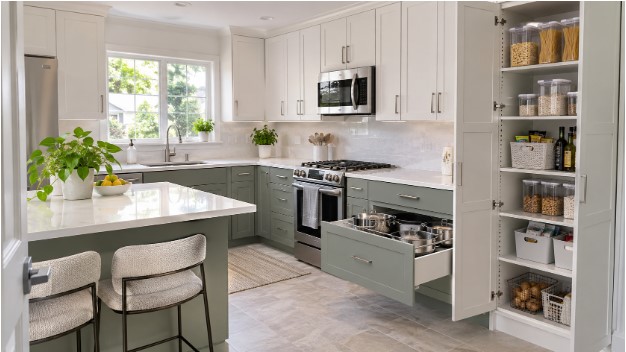
- Deep drawers for pots, pans, and larger cookware.
- Pull-out shelves for easier access to stored items.
- Adjustable shelving for flexible storage arrangements.
- Corner organizers to utilize otherwise difficult spaces.
- Under-sink organizers for cleaning products.
- Built-in waste bins to keep garbage out of sight.
Homeowners should also consider how frequently they use different kitchen items. Placing everyday essentials in easily accessible drawers and cabinets can improve the overall cooking experience.
6. Coordinate Base Cabinets with Upper Kitchen Storage
A balanced kitchen design considers both lower and upper cabinetry. While base cabinets provide countertop support and storage for heavier items, upper cabinets make use of vertical wall space.
Combining these two cabinet types can create a more organized kitchen without unnecessarily occupying floor space.
Homeowners can explore different kitchen wall cabinets to understand how upper storage solutions complement lower cabinetry. Coordinating cabinet colors, door styles, and finishes can also help create a consistent appearance throughout the room.
For smaller kitchens, using lighter upper cabinet finishes with contrasting base cabinets can add visual interest without making the space feel crowded.
7. Select Cabinet Colors and Finishes Carefully
Cabinet colors influence the overall atmosphere of a kitchen. Choosing suitable shades can make the space feel brighter, warmer, or more contemporary.
White and cream base cabinets are popular because they create a clean and timeless appearance. Gray finishes offer a versatile neutral option, while navy blue and forest green can introduce character and depth.
Natural wood finishes are also attractive for homeowners who prefer warmth and texture.
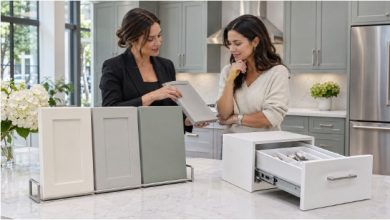
When choosing cabinet colors, consider the existing countertops, backsplash, flooring, and wall colors. Viewing physical samples under different lighting conditions can help prevent unexpected differences after installation.
8. Consider Custom and Ready-to-Assemble Base Cabinets
Homeowners generally have several purchasing options when selecting kitchen base cabinets. Custom cabinets are designed according to specific measurements and storage requirements. They offer flexibility in dimensions, finishes, materials, and internal configurations.
Ready-to-assemble (RTA) cabinets are supplied in individual components that require assembly. They can provide a practical option for homeowners seeking affordable cabinetry and willing to manage the assembly process.
Semi-custom cabinets offer a balance between standard sizing and additional design flexibility. The right option depends on the renovation budget, installation requirements, desired customization, and project timeline.
9. Plan Cabinet Placement Around Kitchen Activities
A functional kitchen should support the activities that take place every day. Cabinet placement should allow convenient access to cooking equipment, food preparation areas, cleaning supplies, and appliances.
For example, drawers near the cooking area can provide quick access to utensils and cookware. Sink base cabinets should allow sufficient room for plumbing, while cabinets near preparation surfaces can store frequently used kitchen essentials.
It is also important to consider the opening direction of cabinet doors and drawers. Adequate clearance helps prevent interference with appliances, nearby cabinets, and walking paths.
A carefully planned arrangement can make even a relatively small kitchen more comfortable and efficient.
10. Consult Local Kitchen Design Professionals
Selecting suitable base cabinets involves several decisions, including measurements, construction materials, finishes, storage configurations, and installation planning.
Working with experienced kitchen design professionals can help homeowners compare available options and develop a layout that matches their space and preferences.
For homeowners in Orland Park, Illinois, Kitchen Cabinet Design LLC offers a local point of reference when exploring cabinetry options and kitchen design solutions.
Comparing cabinet samples and discussing storage requirements before installation can help homeowners make more informed renovation decisions.
Conclusion
Kitchen base cabinets are essential components of a practical and attractive kitchen. They provide valuable storage, support countertops, and help create an organized environment for everyday activities.
From choosing durable materials and appropriate dimensions to incorporating drawer systems and coordinating upper cabinetry, every decision contributes to the final design.
By evaluating household needs, available space, and long-term maintenance requirements, homeowners can select base cabinets that offer a comfortable balance of functionality and style.